Hasan Bakhtawar
09-May-2026
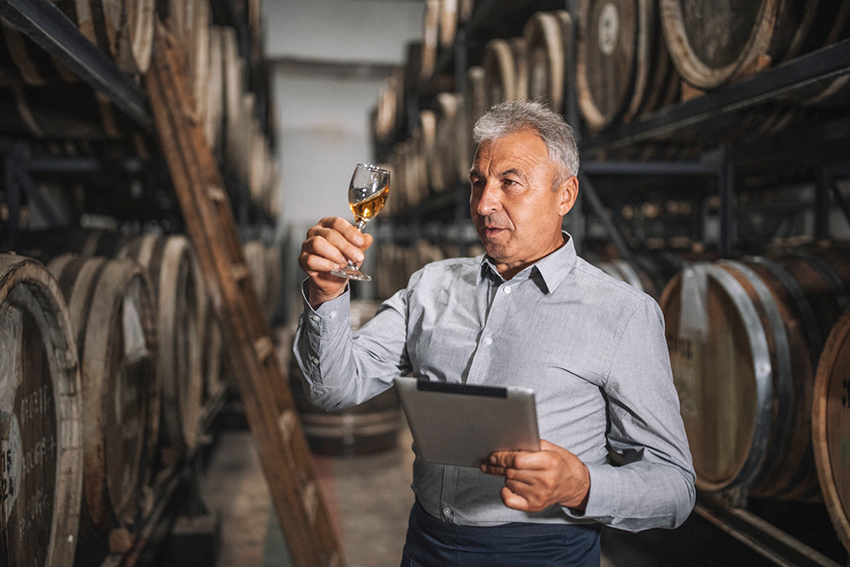
The way people are engaging with whisky today reflects a broader change in lifestyle and consumption.
Inputs by: Hasan Bakhtawar, Chief Operating Officer—Cased Business, Angus Dundee India
Whisky has long held a defined place in Indian social life. It is featured at weddings, festivals, corporate gatherings, and milestone celebrations, often linked with formality and ceremony. That association still exists, yet the way people engage with whisky today reflects broader changes in lifestyle and consumption. Urbanisation, higher disposable incomes, and exposure to global drinking habits have expanded the category’s reach. Shelves across retail outlets now carry a wide mix of labels, from Indian single malts to imported blends and limited editions. Conversations around flavour, ageing, and origin are finding space in everyday settings. A growing segment of consumers approaches whisky with curiosity, supported by easier access to information and varied price points. What emerges is a pattern where whisky appears in smaller, relaxed social moments, alongside food, music, and informal gatherings, rather than being confined to formal events.
Evolving Drinking Habits
Consumption patterns in India have seen gradual change over the past few years. At-home drinking has gained steady traction, supported by convenience and comfort. Many consumers now maintain compact home bars, selecting bottles suited for regular use. Whisky fits easily into this routine, offering flexibility in how it can be served. A simple pour with water, ice, or soda remains common, while basic cocktails have also found popularity in domestic settings.
Serving sizes have also seen adjustment. Smaller pours, paced over time, align with a growing focus on moderation. Drinkers are paying closer attention to how much they consume, often favouring one or two measured servings during an evening. This approach encourages appreciation of flavour without excess.
There is also an evident rise in interest around Indian whisky. Domestic distilleries have gained attention for quality and consistency, giving consumers the option to explore locally produced expressions. These bottles often sit within accessible price ranges, making them suitable for frequent consumption. Alongside this, awareness of global categories has grown, with consumers becoming familiar with formats such as blended Scotch whisky for regular use and single cask whisky for more specialised tasting experiences.
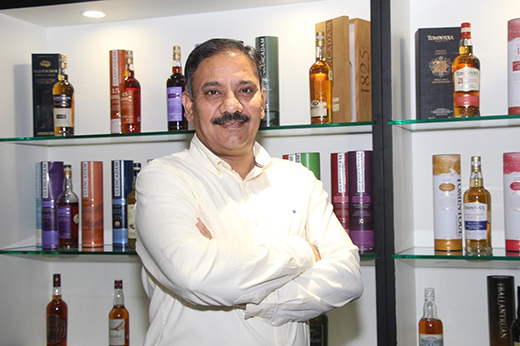
(In Image: By Hasan Bakhtawar, Chief Operating Officer—Cased Business, Angus Dundee India)
Role of Retail, Bars, and Online Influence
Retail environments in major cities have evolved in response to changing consumer behaviour. Premium liquor stores are focusing on presentation, product knowledge, and guided buying. Staff recommendations, tasting notes, and curated sections help shoppers make informed decisions. This structure encourages exploration across categories and price bands.
Bars continue to play an important role in shaping preferences. Bartenders introduce guests to different styles through tasting flights and curated menus. These formats allow consumers to sample multiple expressions in a single sitting, building familiarity without a large financial commitment. Experiences at bars often translate into retail purchases later.
Digital platforms have expanded whisky conversations significantly. Social media channels feature reviews, tasting sessions, and pairing ideas shared by enthusiasts and professionals. Online forums and communities discuss production techniques, regional styles, and brand stories. This flow of content supports learning and encourages repeat engagement.
E-commerce has added another layer of accessibility in regions where regulations permit it. The ability to browse, compare, and order from home supports consistent purchasing patterns. Convenience, combined with information, has strengthened whisky’s presence in everyday consumption.
From Formal Occasions to Everyday Moments
The settings in which whisky appears have widened over time. House gatherings, small dinners, and weekend meetups now include whisky alongside food and conversation. These occasions carry a relaxed tone, where the focus rests on shared experiences rather than ceremony.
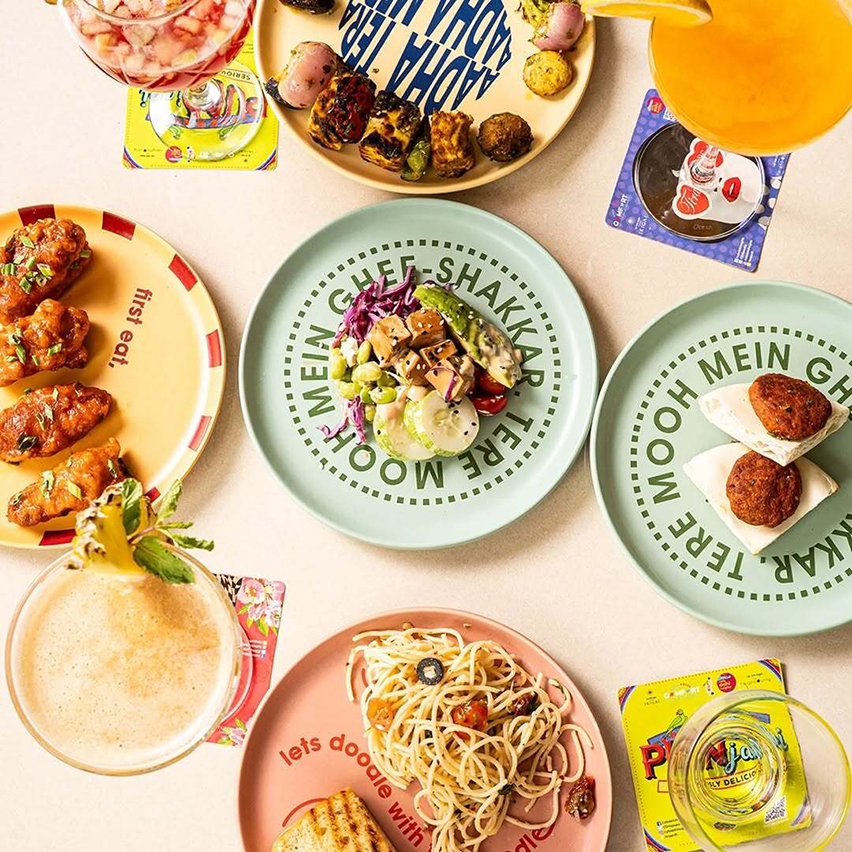
Food pairing has emerged as a point of interest. Restaurants and home kitchens are experimenting with whisky alongside Indian cuisine. Dishes with bold spices, grilled preparations, and regional flavours are paired with specific styles, creating new ways to enjoy the drink. This integration into meals supports more frequent consumption.
Work culture in urban centres has also contributed to this pattern. Informal networking, team gatherings, and after-work sessions often include whisky as a familiar option. It offers a sense of comfort and familiarity across different groups.
Consumer perception has also evolved. Whisky is now seen as part of a broader lifestyle that includes dining, travel, and social interaction. This perspective encourages exploration and repeat engagement. At the same time, moderation remains central. Many consumers choose to limit intake, focusing on quality and experience within controlled quantities.
A Category Expanding Its Reach
India’s whisky market continues to grow, supported by both domestic producers and international brands. The range available to consumers has expanded across segments, offering options that cater to different preferences and budgets.
Regulations and taxation continue to influence pricing and availability across states. Despite these factors, demand remains steady in urban and semi-urban markets. Patterns of purchase indicate a steady integration of whisky into regular consumption cycles.
Looking ahead, the category is expected to see further innovation. Smaller pack sizes, new expressions, and curated experiences are likely to draw in a wider audience. Distillery visits, tasting events, and brand-led engagements will continue to build familiarity and engagement.
Cover Credits: iStock