Maj Gen (Dr) Rajesh Chopra
26-Oct-2026
A whisky’s score should reflect the evidence in the glass.
By Maj Gen (Dr) Rajesh Chopra, AVSM (Retd), Director General, Indian Malt Whisky Association (IMWA)
A single malt whisky is experienced through a combination of aroma, flavour, texture, balance and finish. Each element contributes to its identity, but evaluating the spirit requires more than identifying familiar tasting notes or recognising a particular style. A structured blind tasting allows judges to assess what is in the glass, focusing on the quality and character of the whisky rather than the reputation of its producer or the appeal of its packaging.
The principle behind blind tasting is simple: the liquid should speak for itself. When a whisky is presented without its brand name, label, packaging or marketing information, judges can approach it with fewer preconceived expectations. This creates an opportunity to examine its technical quality, distinctive characteristics and overall expression on their own merits.
The First Impression: Aroma and Nose
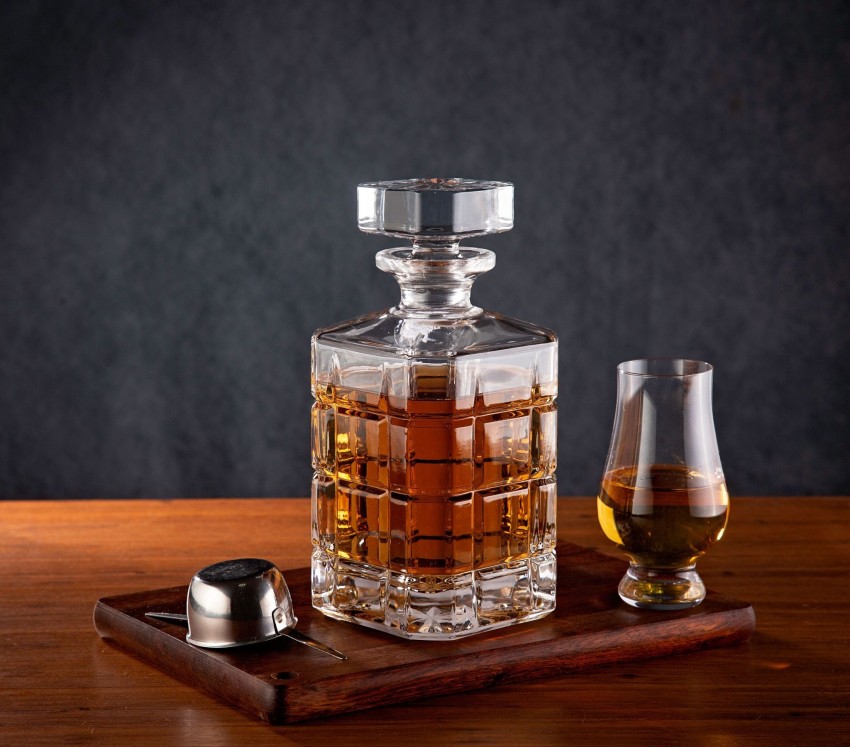
Aroma is often the first stage of a whisky assessment and can reveal considerable information about its character. Judges consider the intensity, cleanliness, precision, complexity, and development of the nose. Notes of fruit, malt, spice, oak or other aromas may contribute to a whisky’s identity, but their presence alone does not determine quality.

Credits: Unsplash
What matters is how clearly these aromas emerge, how they interact and whether they develop as the spirit is explored. A compelling nose offers definition and depth, inviting further examination without relying on intensity alone.
The Palate: Where Character Takes Shape
The palate carries significant weight in a structured evaluation because it reveals how the whisky’s flavours translate from aroma to taste. Judges assess flavour quality, intensity, concentration, integration and expression. The relationship between sweetness, acidity, bitterness, spice and oak can influence how the whisky develops across the palate.
A well-expressed single malt demonstrates coherence between its different elements. No single flavour needs to dominate; rather, the components should contribute to a recognisable and engaging overall character. Complexity is valuable when it adds depth and dimension to the experience.
Balance, Texture and Integration
Balance is central to understanding whether a whisky feels harmonious. Alcohol, sweetness, acidity, bitterness, oak and spice must be considered in relation to one another. The objective is not to reduce the spirit to a single ideal profile, but to evaluate how effectively its components work together.
Texture and mouthfeel add another dimension. Body, weight, smoothness and tactile quality shape the way a whisky feels on the palate. These characteristics influence the overall experience and should be assessed alongside flavour rather than in isolation.
Credits: Unsplash
Alongside sensory evaluation, authenticity and production standards are important to the identity of Indian single malts. The Indian Malt Whisky Association (IMWA) hologram helps consumers identify single malts that meet the association’s defined criteria that are production entirely in India using 100% malted barley, without molasses or neutral spirits, distillation in copper pot stills at a single Indian distillery, and maturation in oak casks of no more than 700 litres for a minimum of three years. These criteria reinforce the importance of provenance and transparency, complementing the focus on craftsmanship, character and quality in the evaluation of Indian single malts.
Complexity and character are equally important. Distinctiveness, depth, layers and personality help establish what makes a whisky memorable. However, complexity does not necessarily mean that a spirit must display the greatest number of identifiable notes. The quality of their expression and integration matters just as much.
The Finish: What Remains After the Last Sip
The finish completes the tasting experience. Judges consider its length, quality, evolution and persistence. The way flavours develop after the whisky has been swallowed, and how long their impression remains, can reveal additional aspects of its character.
A finish should not be judged by duration alone. Its quality and relationship with the nose and palate are equally relevant. A coherent progression from aroma to palate and finish strengthens the overall impression of the spirit.
Why a Structured Scoring Framework Matters
A transparent assessment framework helps translate these sensory observations into a consistent evaluation. Generally speaking in judging framework, technical quality accounts for 70% of the final score, while commercial value and market potential contribute 30%. The technical assessment evaluates aroma, palate, balance and integration, texture, complexity and character, finish, category expression and overall quality.

Credits: Pexels
Technical judges assess anonymised samples independently before discussing significant scoring differences. Their scores are averaged, and the quality score is finalised before the commercial assessment begins. This separation helps protect the independent evaluation of the liquid while allowing a subsequent assessment of its commercial proposition.
For Indian single malts, this approach to evaluation is particularly relevant as the category continues to build its identity through craftsmanship, distinctive character and consistent quality. The Indian Malt Whisky Association (IMWA), which represents Indian single malt producers, works towards strengthening the recognition and understanding of the category. A structured approach to tasting helps bring greater attention to the qualities that define Indian single malts, from their aroma and flavour profiles to their balance, complexity and finish. Members of IMWA have won over 600 international awards including in Blind Tasting Events and reflects its acknowledged identity and reputation across the globe.
Ultimately, a whisky’s score should reflect the evidence in the glass: the clarity of its aroma, the expression of its palate, the harmony of its components and the quality of its finish. When these elements are assessed independently and systematically, the result becomes more than a numerical rating; it becomes a considered evaluation of the spirit’s character, craftsmanship and overall quality.
Cover Credits: Pexels