Soumya Maheshwari
03-Oct-2026
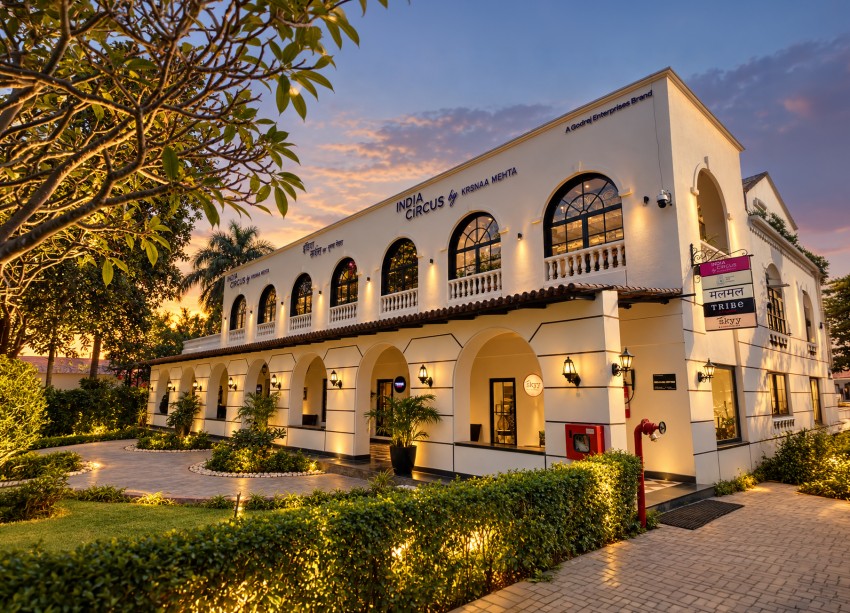
Vivacious expressions of Indian craftsmanship in formats that engage the younger, global and design-conscious consumer come alive in India Circus by Krsnaa Mehta.
Krsnaa Mehta, Senior Vice President - Executive Director, India Circus by Krsnaa Mehta, A Godrej Enterprises Brand has been celebrating India through eclectic-chic, affordable designs for interior decor, that take you through a magical journey from the opulent palaces of Rajasthan to the banana plantations of the Cauvery Delta.
Excerpts from a conversation:
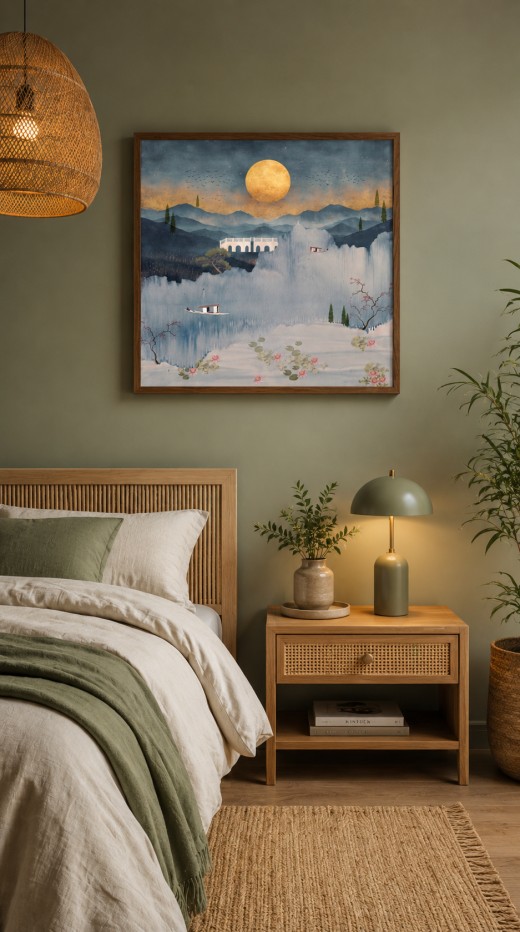
The Indian home is becoming far more personal and expressive. Over the last decade, what has changed in the way Indians want their homes to look and feel?
I think the biggest change has been access. Consumers are exposed to design from across the world, through travel, social media, digital platforms and global brands. They are seeing far more styles and possibilities than ever before.
But interestingly, this exposure has also made people want to be more individual. They don’t necessarily want a home that looks like something they have seen elsewhere. They want to bring together influences in a way that feels personal and reflects who they are. There is a growing desire to create a sense of style that feels considered but not copied. I think that is what is making Indian homes much more expressive today. People are becoming more confident about
experimenting, mixing influences and creating spaces that feel uniquely their own.
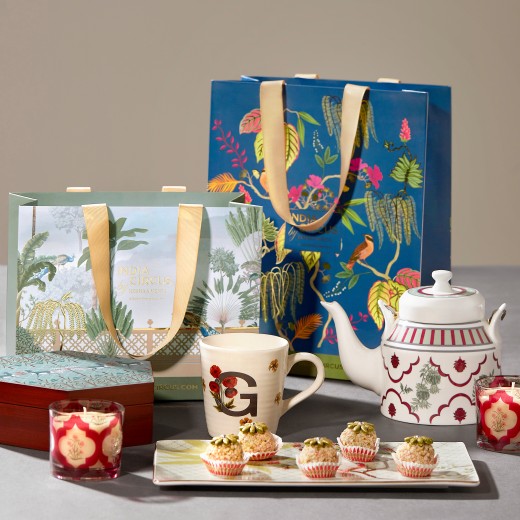
You built India Circus around a distinctly non-traditional Indian design. How do you reinterpret India’s cultural heritage without making it predictable?
We spend a lot of time looking at what has worked in the past, but equally, at how consumers and their relationship with design has evolved. That balance is very important to us. For example, we have seen audiences who once gravitated towards very loud, bold Indian prints gradually move towards more subtle, contemporary expressions. But the love for colour, pattern and a certain sense of boldness is still very much there.
It is not about removing the Indian-ness from a design. It is about translating it into a language that feels relevant today. We take familiar Indian motifs, colours, craft references and visual stories, and reinterpret them through contemporary forms, proportions and palettes.That balance between what is recognizably Indian and what feels fresh and unexpected is really at the
heart of India Circus.
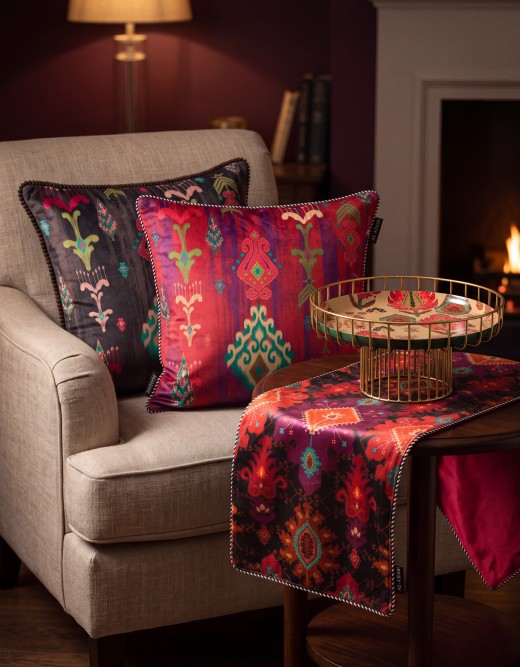
With urban consumers increasingly living in apartments rather than bungalows, how is India Circus adapting its design and product offering?
The way we live has evolved, and design has to respond to that. I think the opportunity is to create pieces that bring character to a space regardless of its size. A home does not need to be large to feel expressive; when space is more considered, the objects we choose can have an even greater impact.
We have been fortunate to see people connect strongly with our décor, helping us build credibility as a design-forward brand that brings contemporary Indian design into everyday homes while remaining accessible. Our consumer is ultimately someone who is design-conscious but not necessarily trend-driven, someone looking for pieces that feel distinctive, meaningful and relevant to everyday life.
Why do you think Indian consumers are becoming more confident about expressing themselves through design?
I think there is a growing desire for homes to feel individual rather than styled according to a particular template. People are becoming more selective about what they bring into their homes and choosing pieces that reflect their personality, memories, travels and interests rather than simply buying what is trending.
Do you feel that luxury today is less about price and exclusivity and more about craftsmanship, individuality and the story behind an object?
I think the definition of luxury is becoming increasingly personal. Price and exclusivity will always have their place, but there is a growing appreciation for objects that have thought, character and meaning behind them.
For me, an object becomes interesting when there is intention behind it whether through its design, material, craftsmanship or the story it carries. In a world where consumers have access to so much, I think people are becoming more selective about what they choose to live with. The things that stay with
us are often the things that feel personal rather than simply expensive.
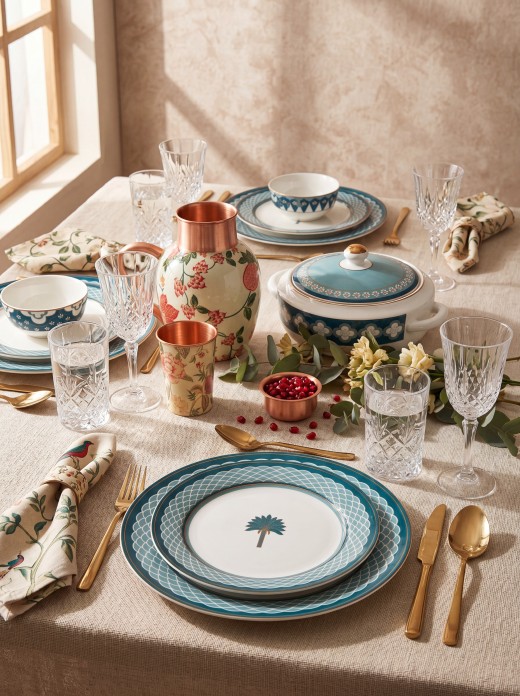
India’s craftspeople and artistic traditions are a huge part of our design heritage. How can brands like India Circus make craftsmanship relevant to a younger, global and design-conscious consumer without losing its authenticity?
I think the answer lies in reinterpretation rather than preservation alone. India has always had an incredibly rich design vocabulary, and what is exciting is seeing these influences given a contemporary context without losing the cultural memory behind them.
Younger consumers don’t necessarily want something simply because it is traditional; they want to understand why it is relevant to them today. I also think it is important to acknowledge the people behind the work, the artists, designers, cultural practitioners and craftspeople contributing to this landscape.
You have spent more than two decades working across design, branding and entrepreneurship. What has the journey taught you about building a creative brand that can also become a successful business?
I think the biggest lesson has been that a strong creative point of view and a strong business can absolutely coexist. Creativity gives a brand its identity, but that identity has to translate into things that people genuinely want to live with, use and experience.
With India Circus, we have been fortunate to see people connect emotionally with our design language. That has given us the confidence to evolve from décor into dining, gifting and everyday living, while staying rooted in the same design philosophy. For me, building a creative business is about continuing to evolve without losing the point of view that made people connect with you in the first place.
India Circus is now looking at expanding its retail footprint. What role do physical stores play in a world where consumers can discover and buy almost everything online at a better price point?
Ironically, India Circus began as an online-only brand, so our digital journey has taught us a great deal about how people discover and engage with design. Today, the website remains important, but retail has taken on a very different significance. In a world where technology and AI can generate incredibly convincing visuals, physical experience becomes even more valuable. Price-points online and offline remain the same
A store allows you to experience the scale, colour, material and detailing of a product for yourself. It creates a point of trust and a tangible connection between what a brand communicates online and what it actually creates. Our expansion is therefore not simply about having more stores, but about reaching more cities, creating physical touchpoints and understanding how different markets engage with contemporary Indian design.
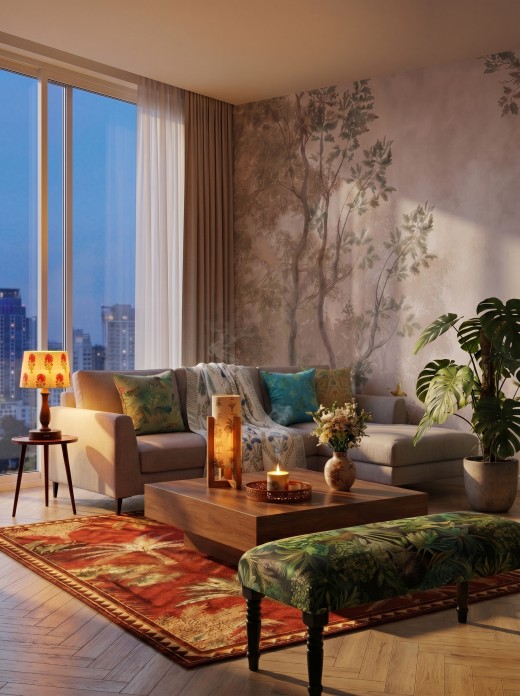
If you had to define the “New Indian Home” in three words, what would they be?
Rooted. Conscious. Personal.
For me, the New Indian Home is connected to its roots but not bound by them. It is conscious about what it brings into its spaces and, most importantly, it feels personal to the people who live there. It is less about creating a home that looks a certain way and more about creating one that feels meaningful.
What do you think the Indian home will look like five years from now?
The Indian home will go beyond a single defining aesthetic. It will become more individual, intentional and layered, with people becoming more confident about bringing together different influences, materials, objects and memories to create spaces that feel uniquely theirs. I also hope we see much more of India in the world. There is so much incredible art, craft, visual culture and design coming out of India, and I would love for India Circus to be one of the platforms that takes that contemporary interpretation of India to a much larger global audience. The ambition is to keep finding new ways of interpreting India and creating products that people want to live with, use, gift and take with them.