Pranjal Shah
05-Aug-2025

When stories around colonialism, the freedom struggle, and the resultant independence weave shades of moral and emotional truths.
Here is a curated list of fictional works to immerse yourself in during this Independence Month—tales which will stretch your conscience with questions and deepen your understanding through feeling, perspective, and imagination.
1. AnandaMath (The Abbey of Bliss) by Bankim Chandra Chattopadhyay
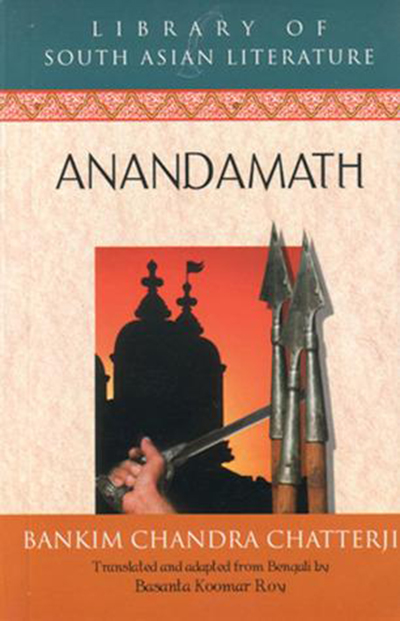
Image Credits: Goodreads
Rampant atrocities and prolonged injustices without accountability can push even ascetics to passionate opposition. In this book, Chattopadhyay draws from the Sanyasi Revolt following the Bengal Famine of 1770, when sanyasis and fakirs, motivated by the inescapable death, economic hardships and societal desperation following the devastating famine, joined hands against the British East India Company. Imagining warrior-ascetics, he interweaves the mythical with material rebellion in this moving tale of nationalism, collective identity and loyalty to one’s motherland.
2. The Siege of Krishnapur by J.G. Farrell
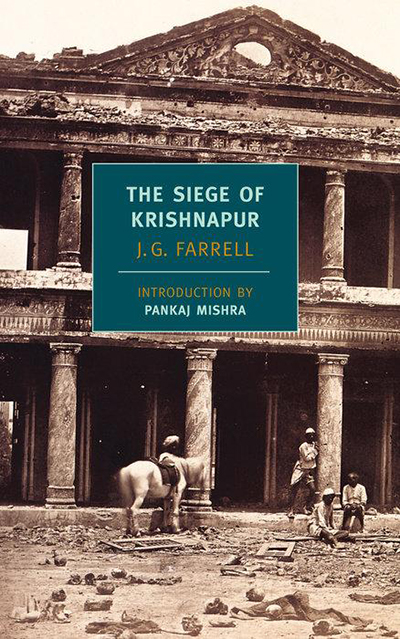
Image Credits: Goodreads
This is a historical novel centred around the siege of a fictional town, Krishnapur, during the Revolt of 1857. Beginning with the scepticism and ludicrity of the British officers and inhabitants of Krishnapur regarding rumours of strife pouring in from afar, the narrative goes on to explore the effects of such a siege when it knocks on their doorstep seemingly against all odds. Farrell vividly portrays the fragility of the moral superiority of Britishers when faced with heat, disease, famine and colonial collapse amidst the uprising, using a humorous tone to contrast with the solemn nuances of the book.
3. Kanthapura by Raja Rao
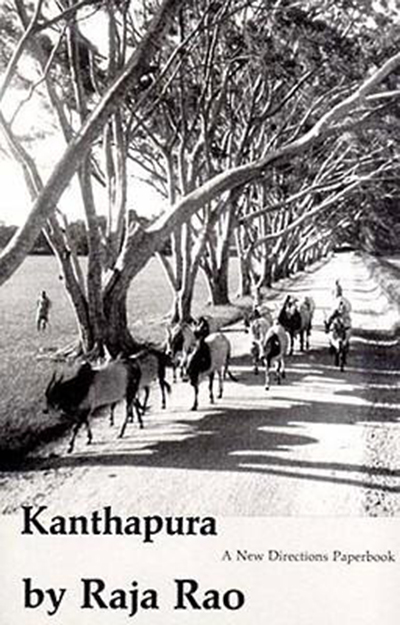
Image Credits: Goodreads
The Gandhian struggle for freedom has become almost banal in our books. His ideas of non-violence and civil disobedience have been unceasingly scrutinised in historical as well as political discourses. Kanthapura brings a distinctly personal lens to this overarching discussion by exploring how these ideals and movements percolated to the grassroots, with the village of Kanthapura at its epicentre. Raja Rao uses the voice of a village elderly to illustrate how religion, social customs, caste inequalities and colonial upheaval interact with the Independence movement in some of the smallest units of society.
4. Waiting for the Mahatma by R.K. Narayan
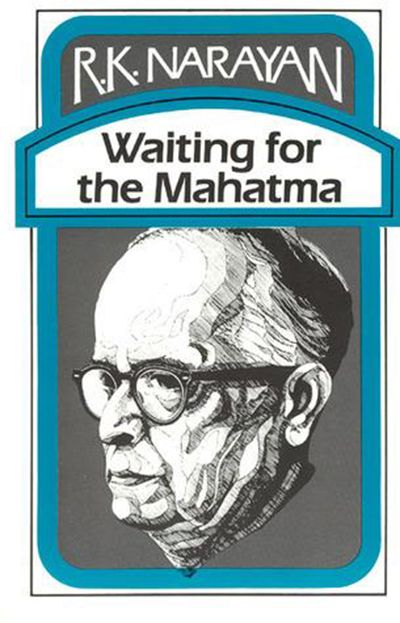
Image Credits: Goodreads
Set in the fictional yet beloved town of Malgudi endemic to Narayan’s stories, it follows the journey of a twenty-year-old youth as he grows and joins Gandhi’s movement on account of his love interest. The warm, humorous tone makes for a gripping account of his triumphs and tribulations as a young initiate into the entourage. Through his perspective, the book delves into how Gandhian ideology is received individually by the masses. While the ideology itself was hailed as pivotal, the biggest catastrophe of the campaign was how its facets were twisted to fit and justify the selfish personal schemes of its followers, aptly highlighted in the book.
5. A Passage to India by E.M. Forster

Image Credits: Goodreads
When British ladies arrive in Chandrapore, they are left aghast at the colonial prejudices and cultural superiority prevalent among their countrymen living in India. They set out to explore the ‘native’ India in the company of a cultivated Muslim doctor, who is later accused of assault by one of the ladies. The story unravels as the doctor faces a trial which only highlights the very qualities the two women set out to surpass. Emphatic reactions from the British community as well as the natives are intertwined with fracturing friendships, racial tensions and the moral ambiguities trapped behind the British notions of justice and fairness to paint a gripping account of colonial inequalities.
6. The Glass Palace by Amitav Ghosh
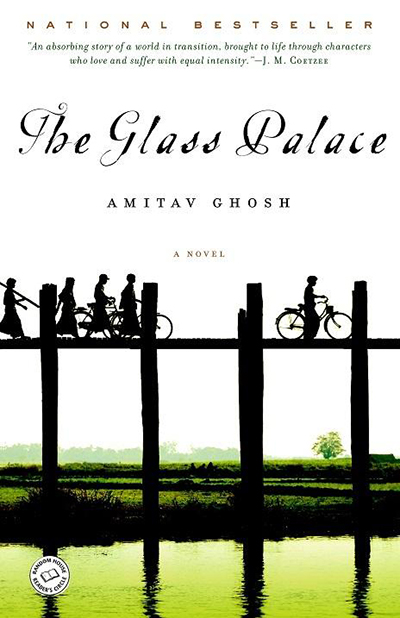
Image Credits: Goodreads
A generational epic set across Burma, India and Malaya, the novel follows an orphan’s journey growing up and amassing a fortune in Burma and eventually losing it all and returning to India as a refugee due to the same forces which graced fortune upon his younger years, the British colonialism. Employing characters based in diverse settings, such as a widow finding herself embroiled in a political and ideologist group operating out of the United States, a middle-class Bengali officer in the British Indian Army and his Punjabi friend, and the orphan’s son engaging a passive resistance in the aftermath of an authoritarian government in Burma, the book explores themes of colonialism, diaspora, identity, romance, and generational change in South and Southeast Asia.
7. The Home and the World by Rabindranath Tagore
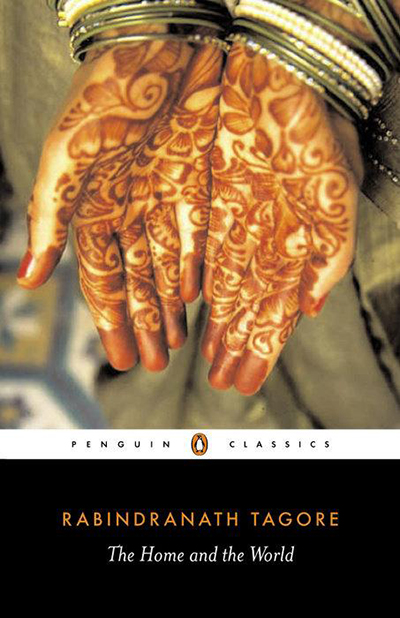
Image Credits: Goodreads
With a love story and a political awakening, this book combines two unlikely themes to present a nuanced exploration of nationalism, morality, and gender. A wife, her husband and a nationalist are the principal characters and set in the early 1900s, particularly featuring Bengal’s Swadeshi Movement, the story pits their personal duties and desires against wider political obligations and ideologies. This dichotomy of the home and world, as is evident in the name, also reflects the conflicts prevalent in colonial India itself, particularly in the years immediately preceding Independence and the Partition.
Cover Credits: Dreamstime