Neha Mehrotra
14-Feb-2026
Visiting for the games? Stay for the food!
The Winter Olympics 2026 have just begun, and Italy, as the host country, is setting the stage for an unforgettable sporting experience. The Games mark a first in Olympic history, as they are co-hosted by multiple cities and regions, turning the event into a country-wide celebration of sport, culture, and travel.
Milan will host indoor events, from figure skating to curling, while Cortina d’Ampezzo, Val di Fiemme, Livigno, Bormio, and Verona will host outdoor sports and select ceremonies. Together, this mix of destinations allows visitors to experience not just the sports but also the mountain landscapes, picturesque villages, bustling cities and, most importantly, Italy’s extraordinary food culture.
Italy’s culinary reputation needs no introduction. You might find yourself roaming on cobbled streets with a cheesy panzerotti or gelato in hand, squeezing into a bàcaro in Venice for cicchetti and a glass of wine, or dining in a Michelin-starred restaurant and interpreting alpine flavours. The choices are abundant—sometimes overwhelmingly so. If you’re travelling for the Games and want to eat as memorably as you spectate, here’s a curated guide to the best places to dine across Italy’s Olympic host regions.
Milan
Milan is not only the fashion capital of the world but also a global food destination. Trattorias (casual family-run places) form the backbone of how Milan eats and serves Lombard classics like risotto, cotoletta, osso buco, and more. You will also find several fine dining and Michelin-starred restaurants serving innovation and theatrics. A must-try experience is the aperitivo or pre-dinner ritual, where locals flock to bars and piazzas for cocktails and light snacks.
1. Joia
Joia was the first entirely vegetarian venue to gain a Michelin Star in Europe. The restaurant has retained its accolade for over 25 years and now has created a menu that is 80% vegan and gluten-free. The restaurant's plant-based menu includes complex dishes such as braised tempeh, raw and confit Costoluto tomato, basil pesto and fermented vegetables, and a dessert of Gianduja chocolate egg, coconut mousse, berries and coffee sauce.
2. Enrico Bartolini Mudec

The three-Michelin-starred restaurant is on the third floor of Mudec – Museo delle Culture in Milan. The art museum provides the ideal inspiration for Bartolini, where he combines a respect for terroir and tradition and serves art gastronomy. There are two tasting options: "Best Of" and "Mudec Experience", but dishes can also be selected à la carte. Menus change with the seasons, and a must-try is the risotto with red turnips and ‘Evoluzione’ gorgonzola sauce. The wine list showcases more than 800 labels from Italy and beyond.
3. Trattoria Trippa
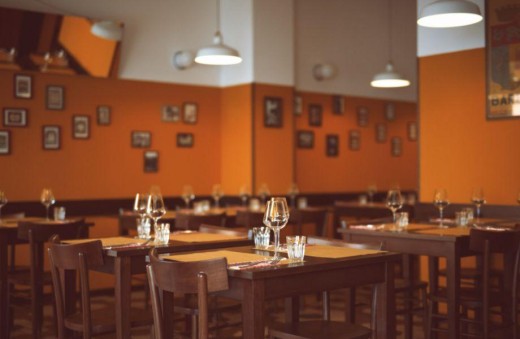
To get a local and retro vibe, head to Trippa, one of Milan's finest trattorias. The menu is an ode to Lombardy's regional cuisine, with dishes from all over Italy, including tripe, as the name suggests. The menu changes every day, but some specialities include the creamy vitello tonnato (veal with tuna sauce), the roasted bone marrow, seasonal pastas, such as tortelli with ricotta and cherries, and desserts like tiramisù or panna cotta.
4. Panzerotti Luini
Founded in 1949 by the Luini family from Puglia, Luini is a historic bakery just steps from the Duomo, famous for its fried or baked panzerotti. The classic tomato-and-mozzarella filling is the one to get: salty, stretchy, and reliably satisfying. There’s no seating and one has to stand in a queue, but it is worth all the wait and has become an icon of Milanese street food. The place is always crowded, so plan your visit accordingly!
Cortina d’Ampezzo
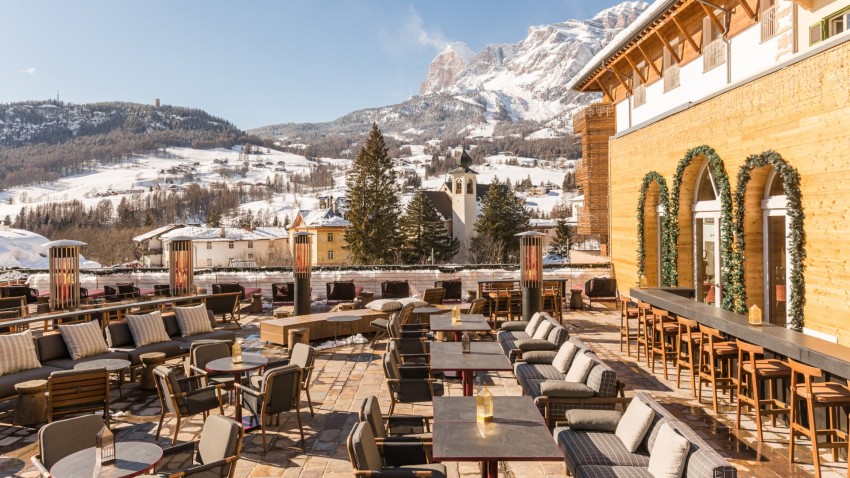
The jewel of the Dolomites and the spiritual heart of alpine glamour. Cortina’s food reflects its mountain roots: hearty, comforting, and local. Think game meats, polenta, rich cheeses and time-honoured recipes served in wood-lined dining rooms, alongside luxury hotels that elevate alpine cooking.
1. Tivoli
Nestled in the heart of the Dolomites, Tivoli occupies an attractive Alpine house and offers a terrace as well as indoor seating with panoramic views of Cortina. The Michelin-starred restaurant serves alpine food using top-quality ingredients from the mountainous region, as well as fresh fish sourced daily from the markets. It has an à la carte menu as well as a seven-course tasting menu; however, the highlight is the local tasting menu known as "ALTOGUSTO". You also have several vegetarian options. The restaurant also boasts top-quality wine labels, historic vintages, and renowned French bottles.
2. San Brite
This restaurant beckons intimate dining with a few tables and views of the stunning Ampezzo Dolomites. Your meal starts with waiters filing into the dining room carrying mountains of creamy butter, accompanied by excellent bread. Owner-chef Riccardo Gaspari makes careful use of home-produced and regional ingredients, creating delicious cuisine in which mountain traditions are refreshed with modern touches, most noticeably visible in the desserts, which are made without adding extra sugar. Sanbrite literally means “healthy pasture”, a name that evokes the qualities of the cuisine served here.
3. 1224 Restaurant Cortina
Located inside the Grand Hotel Savoia, the 1224 Restaurant is the sister place of the Baita Piè Tofana restaurant, located at the bottom of the Tofana pistes, which remains closed during the Olympics. The menu brings together exceptional ingredients selected without geographical boundaries, French cooking techniques, and a lightness inspired by Asia. A significant part of the menu is dedicated to the plant world: wild herbs, vegetables, roots, and sprouts. Alongside, you'll find selected meats, mountain fish, game, and even seafood, with a particular focus on charcoal cooking. Additionally, an interesting selection of over 700 wines accompanies the culinary offerings.
The Games will also take you to neighbouring regions like Livigno, Bormio, Verona and more. In Livigno and Bormio, dining is shaped by altitude and you can expect buckwheat pastas, polenta, alpine cheeses, cured meats, and slow-cooked stews designed to warm and restore after long days outdoors. Verona, by contrast, leans refined and wine-led, where risottos enriched with Amarone, braised meats and seasonal pastas are best enjoyed alongside bottles from Valpolicella and Soave.
Cover Credits: Grand Hotel Savoia, Cortina d'Ampezzo, Italy