Vidhi Gupta
19-Aug-2026
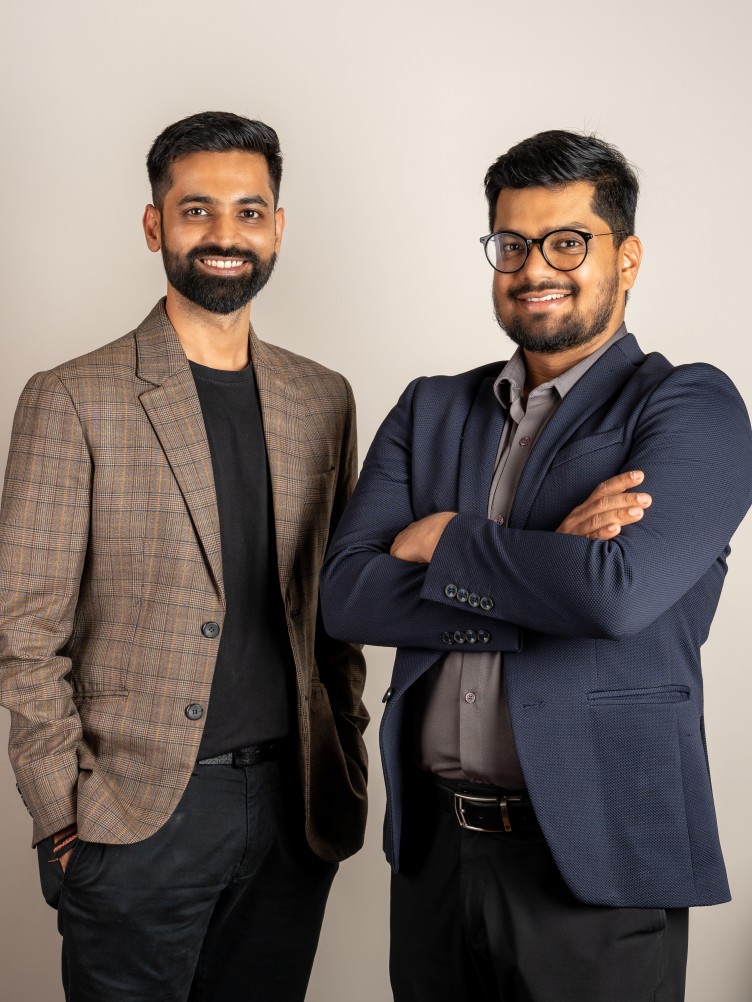
We speak to Lalit and Mayank, founders of Food Square, on building a 25,000-square-foot culinary store to revolutionise the gastronomic landscape in India.
Building a modern culinary store in India is no small ambition. As Indians become increasingly aware and conscious of what they eat, the demand for quality, provenance and carefully sourced food is growing. For Food Square co-founders Lalit Jhawar and Mayank Gupta, creating a new kind of grocery shopping experience felt like a natural extension of their long-standing relationship with food—not just the food found on shelves and in kitchens, but the food that begins where it grows: in India’s agricultural fields.
Through LandCraft Agro and Trueganic, they had already been working to bridge the gap between sustainable farming and premium culinary experiences. With Food Square, they are taking that journey a step further. “Agriculture taught us that the journey of exceptional food starts long before it reaches the consumer. It begins with provenance, quality and respect for the ingredient. That was the first step in many ways, fuelling the idea behind creating an ecosystem for quality, thoughtfully grown produce to reach more consumers,” they share.
But for the duo, Food Square is about more than simply bringing better food to the shelves. It is also about bringing back the sense of connection that once defined the neighbourhood grocery experience. “Traditional Indian grocery stores were deeply personal. Your local grocer knew your family, remembered your preferences and often introduced you to something new before you even knew you wanted it. As modern retail evolved, that personal connection was often replaced by scale and convenience,” they explain. Food Square was created to restore that warmth through genuine relationships, thoughtful service and a carefully curated assortment of the world’s finest foods—combining the familiarity of the neighbourhood grocer with the choice and quality of a world-class gourmet destination.
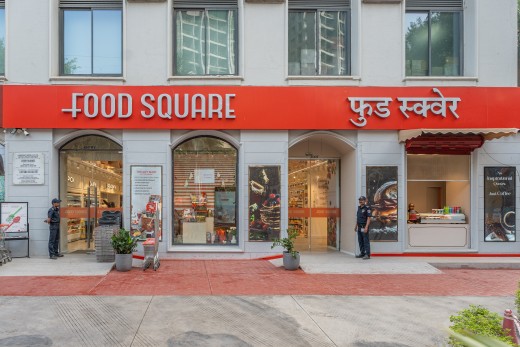
Food Square is currently in Mumbai and Ahmedabad. We speak to the founders on plans of expansions, the quality of brands available, and the challenges behind the scenes.
Food Square has carved a niche for itself in the gourmet grocery space. What sets it apart from other premium grocery stores and supermarkets?
Food Square isn't designed to be just another supermarket. It's built around the belief that grocery shopping should feel personal.
What sets us apart is our combination of an unmatched assortment and exceptional service. We have customers whose preferences our teams know by heart, who rely on us to recommend new products based on what they've enjoyed before, and who come to us not just to shop but to discover.
Alongside some of the world's finest ingredients, we've built thoughtful services that make the experience more enjoyable. Whether it's our Cheese Corner, where our experts help customers build grazing boards and discover new cheeses, our Gift Shop that curates bespoke hampers, or our complimentary Chopping Board service that prepares fresh produce exactly the way customers like it, every detail is designed around making shopping easier and more personal.
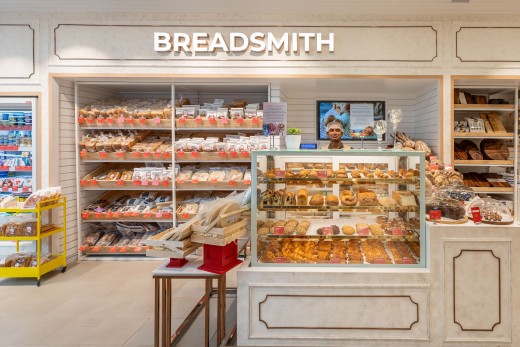
We also bring food to life through our chef-led Food Square Café, Breadsmith bakery and in-store food counters, giving customers more ways to engage with great food beyond simply buying it.
What are the challenges that you have faced when it comes to Indian consumers?
Our customers keep us on our toes. Rather than challenges, we see these as opportunities.
Quite often, they're the ones introducing us to products they've discovered abroad and asking us to source them. Those conversations play an important role in shaping our assortment.
It creates a healthy challenge because expectations are constantly evolving. We have to stay ahead of global food trends while ensuring those products are authentic, relevant and accessible. In many ways, our customers are some of our best trend forecasters. Indian consumers have also become significantly more adventurous over the last decade. They're travelling more, discovering global cuisines through social media and experimenting in their own kitchens.
The opportunity lies in making unfamiliar products approachable. When someone encounters ingredients like miso, yuzu or caviar for the first time, education becomes just as important as availability.
Once customers understand how an ingredient fits into their lifestyle, they often become repeat buyers.
With such an extensive range of products, how do you decide which brands and food items make it onto your shelves? What are the key factors you consider and how do maintain the quality?
Quality is non-negotiable, but we also evaluate whether the product genuinely adds value to our assortment. We spend considerable time researching international trends, meeting producers, and tasting products ourselves. Equally important is paying close attention to customer feedback.
We also ensure we are supporting exceptional Indian producers. Today, India is producing world-class cheeses, chocolates, organic fruits and vegetables, coffee and even condiments that see just as much demand as the best international brands.
We work directly with trusted importers, authorised distributors and producers who meet our standards for authenticity and consistency. Every category follows strict quality checks, and products come straight from their most authentic source. Our agricultural background also gives us a unique perspective. We understand the importance of handling, freshness and cold-chain management because we've spent years working at the very root of the food supply chain. Ultimately, if a product doesn't meet our standards, it simply doesn't make it onto our shelves.
As consumer tastes continue to evolve, what trends are you noticing in the way people shop for food today?
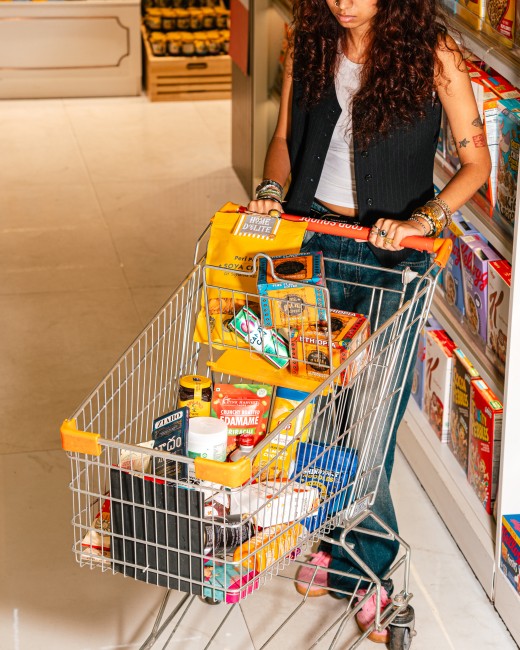
We're seeing increasing demand for clean-label products, functional nutrition and ingredients with authentic stories behind them. Increasingly, consumers are willing to pay a premium for fine foods as part of their everyday lifestyle, as opposed to occasion. Be that exotic vegetables, artisanal cheeses or high-quality Italian olive oils, the average Indian pantry has evolved by leaps and bounds.
What are some emerging global food trends that you believe Indian consumers will embrace in the coming years?
We believe Indian consumers are moving beyond simply trying international cuisines to seeking authenticity and making them a part of the everyday. It's no longer enough for a label to say "Italian" or "Japanese". People want the exact regional olive oil from Puglia, the right variety of Japanese soy sauce, or a specific Gouda cheese if a recipe calls for it. The appetite for authentic ingredients and culinary storytelling is only going to grow.
Consumers don't just want to buy truffle oil or caviar; they want to understand how to use it, what to pair it with, and the story behind where it comes from.
Another exciting trend is the growing appreciation for craftsmanship. Whether it's small-batch chocolates, artisanal cheeses, naturally fermented breads, single-origin coffee or premium pantry staples. We believe premium food will become far more integrated into everyday living and for us, that's the most exciting evolution: gourmet food becoming less exclusive and more commonplace in a customer's weekly shopping basket.
Food Square recently expanded to Ahmedabad. How has the response been so far, and are there plans to enter more cities in the near future?
Ahmedabad has exceeded our expectations, and the response has been overwhelming.
We were always certain that Ahmedabad is the perfect destination to expand beyond Mumbai for the first time. The city has an incredibly vibrant food culture, and consumers are increasingly growing aware of global trends. The demand for newer, unique culinary experiences is at its peak in Ahmedabad, and the response has reinforced our belief that demand for curated food experiences extends well beyond India's traditional metropolitan markets.
Expansion is certainly on the cards and part of our long-term vision. However, our priority is to build each Food Square thoughtfully, ensuring every new location delivers the same quality, curation and experience that defines theC brand.
Luxury today extends far beyond fashion and hospitality. In the context of food retail, what does luxury mean to you?
Luxury, for us, isn't about excess but rather about access.
And what's a greater luxury than having the world's finest ingredients, exceptional service and meaningful experiences available in one destination? It's discovering seasonal Japanese fruit, freshly made burrata, artisan breads, speciality coffee or sustainably sourced seafood, all at once and a drive away from home, as opposed to an occasional experience while on an international vacation.
And India has never been more ready to be a consumer of luxury than it is now.
As Food Square continues to grow, what can customers look forward to next? Are there any new concepts, experiences, or expansion plans on the horizon?
Food Square has always been about much more than retail, and that philosophy will continue to evolve.
Customers can expect more chef collaborations, exclusive product launches and immersive culinary experiences that celebrate food from around the world.
In parallel, we are also building our own range of Food Square products. This has been a very natural extension of our journey. From fresh dips and artisanal spreads to roasted makhanas and Korean sauces, these products allow us to take the same lens of curation and quality that we apply to global brands and translate it into our own kitchen.
They also allow us to respond more directly to how our customers are eating and experimenting at home today.
From a retail perspective, we remain focused on expanding thoughtfully into new markets while preserving what makes Food Square unique: exceptional curation, memorable experiences and a genuine love for good food.