Megha Dakalia Baid
15-Oct-2026
The next generation of mithai will be about making it more considered, more transparent and more relevant to the way we live today.
By Megha Dakalia Baid, Co-Founder, Conscious Mitthaiwalla
For generations, mithai in India has been much more than food. It has been a language of celebration. We take a box of sweets when we visit someone, exchange it during festivals, serve it at weddings and mark everything from a new home to a new beginning with mithai.
Having grown up around a traditional mithai business, I have seen this relationship evolve first-hand. What has changed in recent years is not our love for mithai, but the questions we ask before eating it. Today’s consumer is more curious about what goes into their food. They read labels, look at ingredients, think about balance and are increasingly conscious of how often they consume certain foods. At the same time, they are not necessarily willing to give up the experiences they grew up with. And I think that is what is making Indian mithai particularly interesting right now. The future is not about choosing between indulgence and awareness. It is about finding a more thoughtful middle ground.
Tradition is not something we need to leave behind
There is sometimes an assumption that making mithai more contemporary means completely reinventing it. I don't believe that is necessary. Indian mithai already has an incredible diversity of flavours, textures, ingredients and techniques. The opportunity lies in looking at these traditions with fresh eyes and asking what can evolve for today's consumer without losing the soul of the sweet.
For me, a good mithai should still make you feel like you are celebrating. It should taste indulgent, look beautiful and carry the emotional familiarity that makes Indian sweets so special. Being more conscious should not mean making the experience joyless or turning every sweet into a ‘health food’.
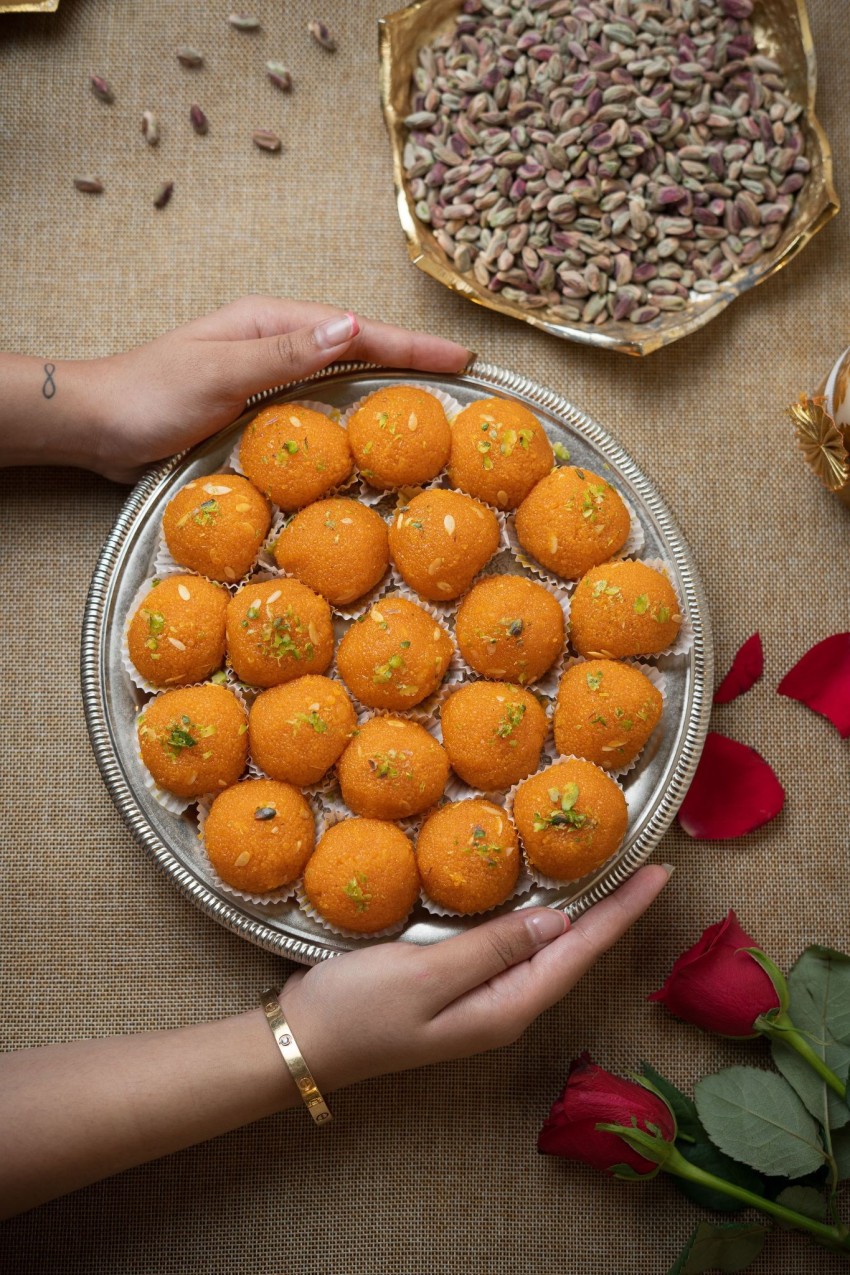
That distinction has been central to our thinking at Conscious Mitthaiwalla as well. Our classics remain at the heart of what we do - the ladoos, kaju katlis, pedas that people have grown up loving. The idea is to make these more accessible to people who may otherwise consciously hold themselves back from indulging, while also creating newer variants that bring experimentation and curiosity into the category.
Credits: Conscious Mitthaiwalla
The rise of conscious indulgence
We are seeing a broader shift in the way Indians approach indulgence. Consumers are becoming more discerning, but they are not necessarily becoming restrictive. There is a growing idea of conscious indulgence - enjoying something because you genuinely want it, while being more aware of what you are choosing. For people who are more conscious about their sugar intake, managing dietary preferences or simply trying to make more mindful food choices, this can mean being able to enjoy familiar sweets without feeling that they have to completely give up the experience.
This is particularly visible among younger consumers and urban families. People are increasingly looking for healthier alternatives across categories, whether it is in beverages, snacks, desserts or everyday staples. They want transparency around ingredients and are more open to exploring products that fit into their individual lifestyles.
Mithai is naturally becoming part of this conversation.
At Conscious Mitthaiwalla, this has meant exploring traditional favourites through a more considered lens - including our approach to sweetening, while retaining the familiar textures, flavours and festive appeal people associate with Indian mithai. Our larger idea is about creating healthier, more thoughtful choices. That can take different forms - sugar-free, no-added-sugar or jaggery-based combinations, for instance, as well as experimenting with ingredients, textures and flavour pairings that give traditional mithai a newer expression. For me, that is where the real opportunity lies. We should not limit the evolution of mithai to simply removing one ingredient. There is so much more room to rethink what the category can look and taste like. It is a small example of a much larger shift - consumers are asking traditional food categories to evolve alongside them.
From ‘healthy mithai’ to better choices
One thing I have always been careful about is the word ‘healthy’. Mithai is still mithai. It is an indulgence, and it should be enjoyed as one. The more interesting conversation, in my view, is about choice.
Can we rethink some of the conventional ingredients? Can we explore alternative sweetening approaches? Can we make the ingredient story more transparent? Can we create mithai that appeals to someone who wants to be a little more mindful without compromising on the pleasure associated with it?
For us, that means keeping the classics at the heart of what we do while also investing in R&D and creating new combinations that bring curiosity and discovery into the category.
And importantly, consumers themselves are driving this change. They are more informed, more experimental and increasingly comfortable asking brands difficult questions. That pushes businesses to innovate with greater responsibility rather than simply adding fashionable words to traditional products.
Credits: Conscious Mitthaiwalla
Gifting is changing too
Another interesting transformation is happening in Indian gifting.
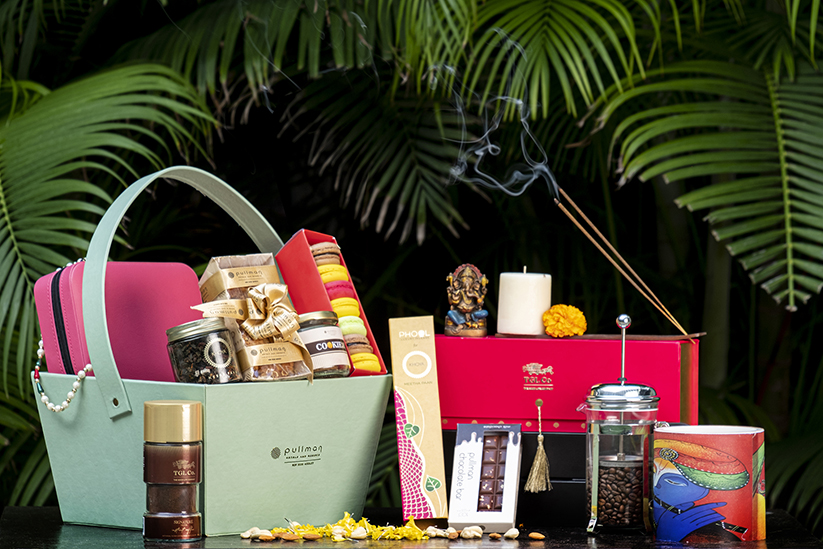
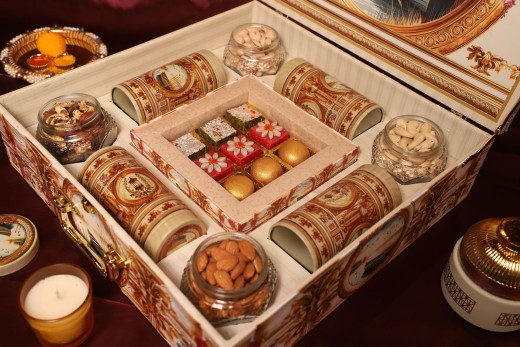
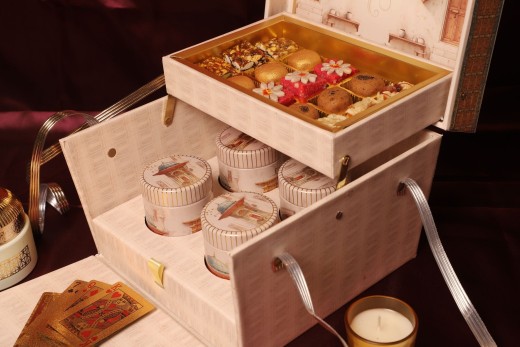
Mithai gifting has always been deeply rooted in our culture, but today's consumer is looking beyond a beautifully packaged box. There is greater interest in the story behind what is being gifted - the ingredients, the thought behind the product and whether it reflects the recipient's lifestyle. This is especially relevant during the festive season, when the scale of gifting can be enormous.
A box of mithai today can represent more than generosity. It can also represent consideration. We see this reflected in the way people approach our festive hampers too. There is an increasing interest in gifting something that feels celebratory while also aligning with the recipient's preferences and increasingly conscious choices.
That makes the evolution of mithai much bigger than a food trend. It becomes a shift in how we celebrate.
The next chapter of Indian mithai
I don't think the new-age mithai will replace the traditional mithai we know and love. There will always be a place for the familiar ladoo, kaju katli, peda or barfi made exactly the way generations before us enjoyed them.
But alongside them, there is room for experimentation.
And I believe this thinking can go beyond the mithai itself. At Conscious Mitthaiwalla, we are also extending the same philosophy into savoury food. This includes baked versions of familiar snacks, along with newer gluten-free, vegan and more thoughtfully created options. The idea is not to build everything around the word ‘sugar-free’, but to create a broader food experience centred around better, more considered choices.
The next generation of Indian sweets will not be about making mithai less indulgent or less celebratory. It will be about making it more considered, more transparent and more relevant to the way we live today. And perhaps that is the most exciting part - tradition does not have to stand still to remain tradition. Sometimes, the best way to preserve something we love is to allow it to evolve.
Cover Credits: Pexels