Karan Puri
21-May-2026
Why the world's most envied restaurant tables are stripping their menus to the bone and why India, sitting on the greatest culinary treasure chest on earth, is still sleeping on this revolution.
Inputs by: Karan Puri, Author/Freelance Journalist
There is a restaurant tucked inside a Tokyo subway underpass. Ten stools, no cocktail list, no amuse-bouche theatre, no towel service. Just a craftsman and twenty pieces of sushi. Sukiyabashi Jiro earned three Michelin stars not by piling more onto the plate, but by stripping everything away until only perfection remained. Jiro Ono reportedly massaged a single octopus by hand for forty-five minutes before it was deemed worthy of a customer. His apprentices spent their first two years doing nothing but washing fish. That is not a restaurant. That is a religion.
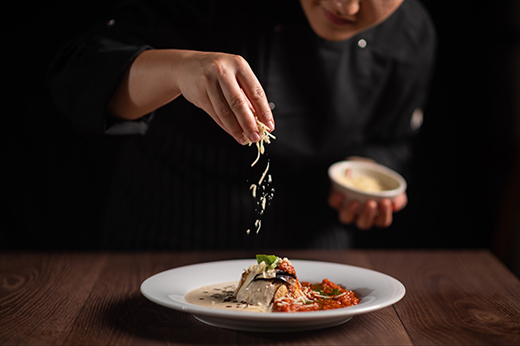
I have walked through numerous restaurant kitchens and the single most common sight I witness? Menus the size of a hardbound novel. Forty-seven dishes. Six cuisine influences. A biryani next to a truffle pasta next to a teriyaki bowl. The kitchen running itself ragged, the chef unable to master anything because they are perpetually drowning in everything. This is not abundance. This is confusion dressed up as generosity.
"Abundance on a menu is not a virtue. It is the first symptom of a kitchen without conviction."
(Image Credits: iStock)
The Global Pivot Nobody Saw Coming
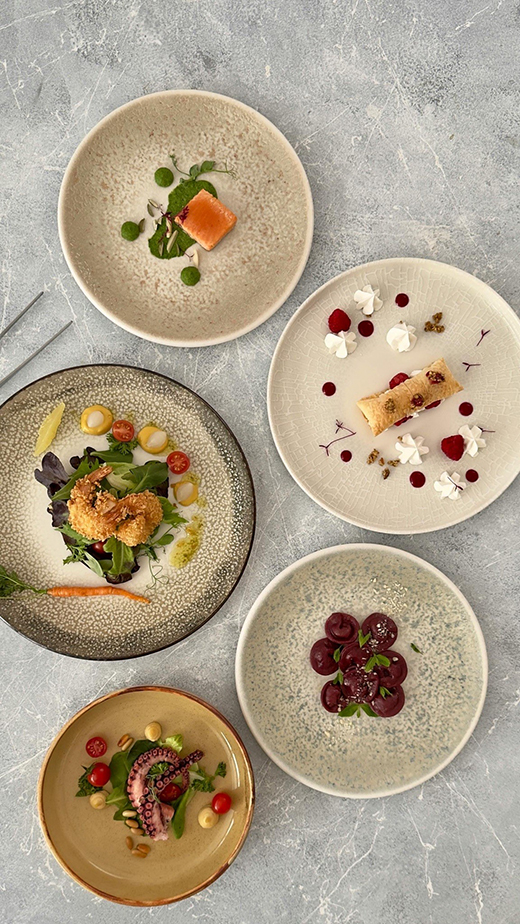
The data is no longer subtle. Across the world's most critically acclaimed tables, menus have been shrinking, deliberately and unapologetically, as an act of culinary courage. The James Beard Foundation recently noted that top operators in 2026 are laser-focused on fewer dishes executed with greater craft, partly to streamline operations but more importantly because today's discerning diner no longer wants to scroll through a catalogue. They want to be guided by a point of view. Operators who have tightened their offering are reporting sharper kitchen margins, lower food waste and, critically, a dining experience guests actually remember.
Look at what a focused concept can accomplish in real commercial terms. Single-cuisine restaurants in metropolitan markets contribute up to 65% of dine-in revenue in portfolios where they dominate new openings. A tighter kitchen means 2 to 4 points better margin versus broad multi-cuisine peers. That is not a small number. That is the difference between surviving a rough quarter and thriving through one.
(Image Credits: Pexels)
The Single-Concept Restaurant: A Machine Built for Mastery
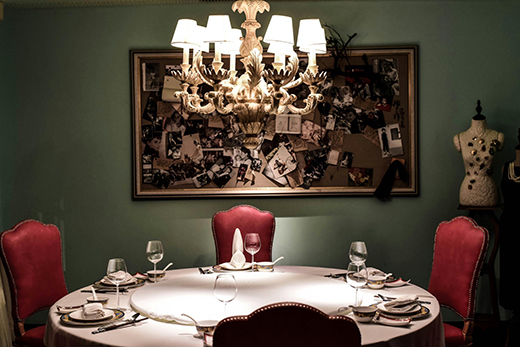
The single-concept restaurant is the most misunderstood format in modern hospitality. People confuse it with limitation. It is the opposite. It is liberation. When a chef knows that every service will revolve around one hero ingredient, one technique, and one culinary truth, the creative energy does not diminish. It compounds. Every service is a rehearsal. Every dish is a step closer to flawless. Think of Zuru Zuru in Delhi, quietly building a devoted following around ramen alone. One bowl, done obsessively, in a city where ramen was an afterthought five years ago. Or Cavatina in Goa, where Chef Avinash Martins reimagines Goan cuisine through a seasonal seven-course lens that shifts as the coast shifts. These are not niche concepts. These are brave ones.
A note from the consulting table: When I work with restaurant owners on menu engineering, the most uncomfortable conversation I have is always the same one. "But what if guests want more options?" The answer is that guests do not walk in wanting options. They walk in wanting confidence. A focused menu tells them: the person in that kitchen knows exactly what they are doing. That is worth more than forty dishes that nobody does well.
(Image Credits: Pexels)
India: The Sleeping Giant at the Table
Now here is what keeps me up at night. India has an almost embarrassing wealth of hyper-regional culinary identities. The slow-cooked Awadhi dum traditions of Lucknow, the coastal acid-and-smoke vocabulary of Mangalorean cooking, the dried berry complexity of Kashmiri wazwan, the fermented magic of Nagaland, and the temple-cuisine restraint of Udupi. Each one is a world unto itself. Each one could fuel a single-concept restaurant that commands a premium, builds a cult, and, in the right hands, earns global attention. The international dining world is increasingly hungry for authentic Indian regional food. Searches for Indian tiffin and Indian regional cuisine are spiking across global food platforms in 2026.
And yet. Walk into any new restaurant opening in Mumbai, Delhi, or Bengaluru and what do you find? A continental section, an Indian section, an Asian corner, and a pizza that nobody asked for. The ambition to please everyone has created spaces that move nobody. The most powerful thing an Indian restaurateur can do right now is to pick one thing. One region, one technique, one ingredient obsession. Go so deep into it that nobody else can follow them there.
"India doesn't need more restaurants. It needs more restaurants with a point of view."
What Focused Looks Like in Practice
I am not speaking theoretically. Consider what a Chettinad specialist could build. A twelve-dish menu anchored in stone-ground masalas, country chicken slow-cooked in kalpasi and marathi mokku, served in a space that looks and breathes like Karaikudi. Or a Parsi Dhansak house, with ten preparations, each one a keeper of a cuisine genuinely at risk of disappearing from the public plate. Or a Konkan seafood counter, whatever came in that morning, treated with the restraint of Japanese omakase sensibility applied to Malvani flavours. These are not fantasies. They are opportunities sitting in plain sight, unclaimed.
The guest of 2026 is not impressed by size. They have been overstimulated. They are exhausted by optionality. What they crave, and will pay a real premium for, is the feeling that they are in the hands of someone who has given their life to one thing and done it without compromise. That is the Jiro effect. And India, with its extraordinary culinary depth, is perfectly positioned to produce its own version of it. The only ingredient missing is the courage to choose.
The best chefs in the world are not asking themselves, "what else can I add?" They are asking, "what else can I remove and still leave you speechless?"
— Karan Puri
Cover Image Credits: Pexels