Sharmila Chand
10-Jun-2026
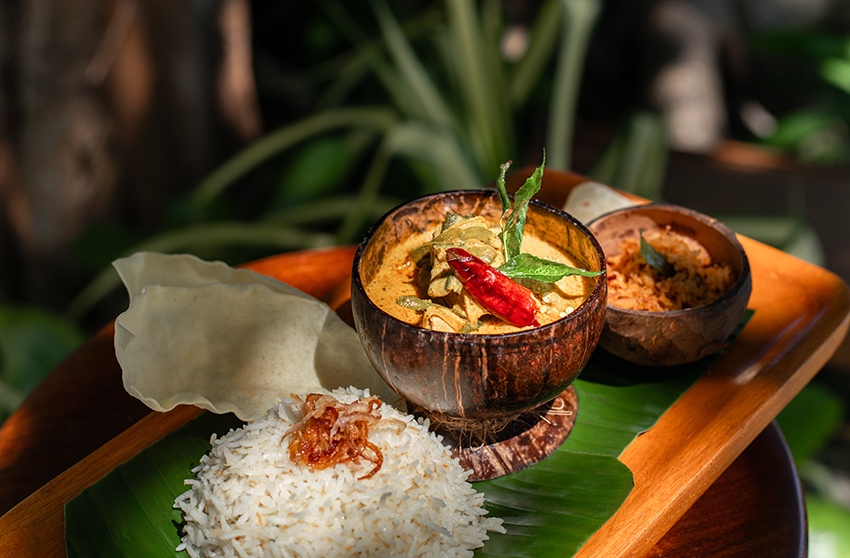
From cherished family recipes to regional classics, chefs share heritage dishes that bring local flavours, traditions, and culinary stories into the spotlight
Sometimes the most extraordinary dishes come from the simplest kitchens, the oldest traditions, and the deepest cultural memories. This is exactly the story of Regional Dishes which is not just food but 'Heritage On A Plate.'
Here we have chefs who take great pride in presenting their favourite Regional Dishes, a narrative of the ingredients and spices that make them exclusive. These preparations are not luxury foods; they are ancestral wisdom, celebrating the abundance of what grows and thrives locally.
So let's have a look at the signature plate waiting to be discovered. From a Sourashtrian dish of Madurai, 'Mulmurungai Vadai', to a popular Lehsuni Jhinga, a Jharkhand soul dish, to Goan Chorizo Egg Benedict, Laphing of Tibet and Bengali Daab Chingri – there is a medley of exclusive dishes, an absolute treasure!
1. Goan Chorizo Egg Benedict, By Kevin Gomes, Executive Sous Chef, St Regis Goa Resort
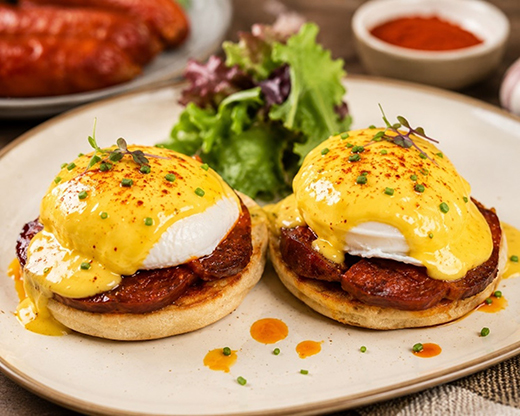
Goan Pork Chorizo, locally known as 'Chouriço', is one of Goa’s most iconic indigenous delicacies, deeply influenced by Portuguese culinary traditions. Made using pork, vinegar, garlic, and a blend of robust spices, the sausages are naturally cured and sun-dried, resulting in their signature smoky, spicy, and tangy flavour profile. Traditionally enjoyed in curries, pulaos, and local poi sandwiches, chorizo is a staple ingredient that reflects Goa’s rich Indo-Portuguese heritage.
“At The St Regis Goa Resort, we reinterpret this traditional ingredient in a contemporary Eggs Benedict preparation by replacing the classic pork ham with slow-cooked Goan pork chorizo. The dish is further elevated with a luxurious hollandaise infused with rendered chorizo oil, adding depth, spice, and a distinct Goan character to the classic brunch favourite. The result is a perfect balance of tradition and modern gastronomy, celebrating local flavours through a globally loved dish”.
2. Daab Chingri, By Chef Avisek Bagchi, Executive Sous Chef JW Marriott Hotel Kolkata
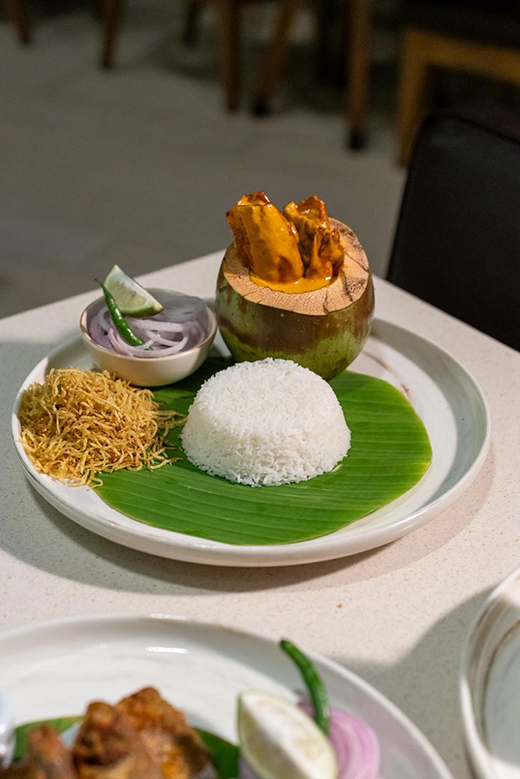
Daab Chingri is a traditional delicacy from Bengal where succulent prawns are cooked inside a tender green coconut (“daab”) with mustard, coconut cream, and aromatic spices. The dish is slow-cooked within the coconut itself, allowing the seafood to absorb the sweetness and aroma of fresh coconut water and flesh, resulting in a rich yet delicate flavour profile. Its key Ingredients are Fresh river prawns, Tender green coconut, Mustard paste, Coconut cream and coconut flesh. Green chillies, Mustard oil, Turmeric and salt for final prep.
The prawns are lightly marinated with turmeric and salt before being combined with freshly ground mustard paste, coconut cream, green chillies, and mustard oil. This mixture is then placed inside a hollow tender coconut, sealed, and slow-cooked until the prawns become tender and infused with the subtle sweetness of the coconut. Daab Chingri reflects Bengal’s deep-rooted connection with river produce and coastal flavours. The use of mustard represents the quintessential Bengali palate, while tender coconut adds natural sweetness and depth. Traditionally served during celebrations and family gatherings, the dish embodies warmth, heritage, and refined Bengali culinary artistry.
3. Laphing, By Chef Anirban Biswas Executive Sous Chef, Norbu The Montanna, Dharamshala – IHCL SeleQtions
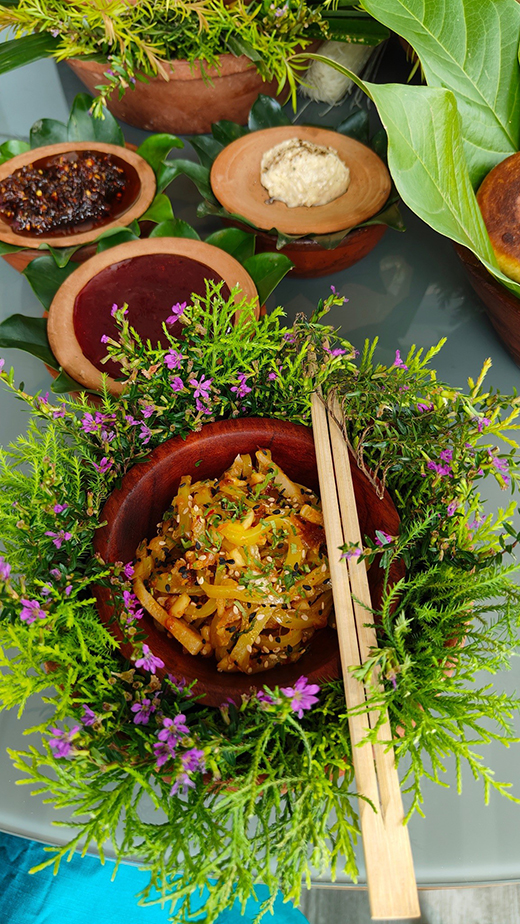
Though popular as Laphing, the dish originally known as 'Liang Fen' in Chinese, broadly means cold noodles. Laphing is a popular Tibetan street food, traditionally a summer comfort staple. Noodles can be made of wheat starch or potato. I like to serve it seasoned with native Tibetan chillies, some toasted peanuts and a hint of lemon zest. I also add some aged cheese sprinkled on top to enhance the overall taste. With robust flavours of spicy, sour, and savory, the sauce is a heady mix of soy, vinegar, garlic, chilli oil/paste, and cilantro. One of my top hot sellers, as it offers a refreshing crunch and a perfect local culinary feast.
4. Raw Mango Chutney Infused Maar Bhat Dumplings By Chef Nishant Choubey, Chef Consultant / Celebrity Chef
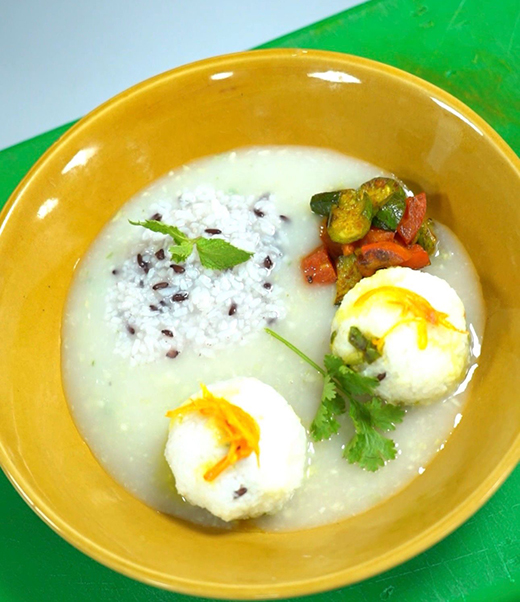
From the tribal heartlands of Eastern India comes one of the most humble yet powerful food traditions: Maar Bhat, Poita Bhat, Pakhala, and the fermented rice culture that quietly nourished generations long before the world started speaking about probiotics and gut health.
Rice has always been the soul of Eastern India. From Jharkhand to Chhattisgarh, Odisha, West Bengal, and Bangladesh, every region has its own interpretation of leftover rice, transforming simplicity into nourishment. In Jharkhand, we traditionally prepare Maar Bhat, rice mixed with Maar, the starchy rice water, and enjoy it with seasonal curries, smoked chillies, chokha, leafy greens, or achar. Unlike many neighbouring regions, the rice is usually not heavily fermented. It is cooling, comforting, deeply earthy, and connected to the rhythm of agrarian life. Long before kombucha, kefir, or modern probiotic trends became fashionable, our villages understood the science of fermentation through intuition, climate, and tradition.
I wanted to reinterpret this beautiful food memory while preserving its soul. So I recreated fermented rice in the form of delicate dumplings, pairing them with rustic Tori ki Subzi and a sharp turmeric pickle that beautifully balances the mellow fermented notes.
The softness of the dumpling, the gentle acidity from fermentation, the earthy ridge gourd preparation, and the warmth of turmeric pickle together create a plate that feels nostalgic yet progressive.
5. Mulmurungai Vadai By Chef Paramaguru Executive Chef Courtyard By Marriott Madurai
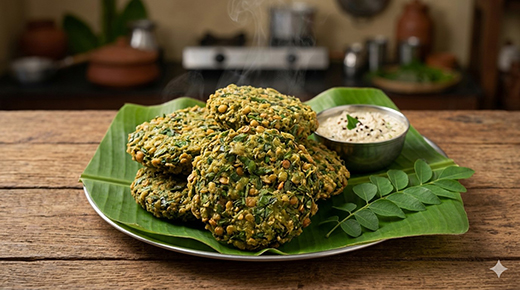
Mulmurungai Vadai is a traditional deep-fried snack made using chana dal (split chickpeas) and mulmurungai leaves (ERYTHRINA VARIEGATA) from the region of Madurai. Known for its crunchy exterior and soft, flavourful interior, this dish is commonly served as an evening snack in homes and evening eateries. In its preparation, we take coarse dal batter and add raw rice or rice flour for extra crunch. Mix ingredients like fennel seeds, curry leaves, onions, and ginger. We apply a double-fry technique for a golden, long-lasting crisp texture. Mulmurungai leaves add a nutritious boost, being rich in iron, calcium, and antioxidants, while also giving the vadai a slightly earthy flavour. It holds special importance in the Sourashtrian community, who are settled in Madurai.
6. Lehsuni Jhinga By Chef Anil Khurana, Executive Sous Chef, Hyatt Regency Delhi
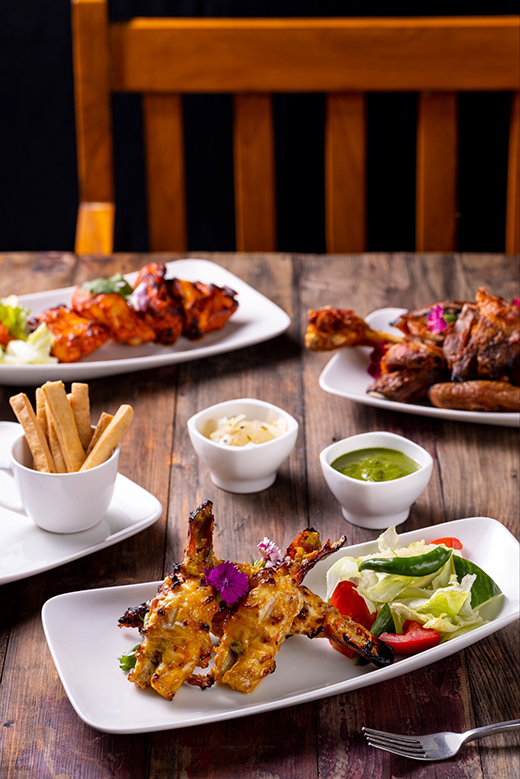
Lehsuni Jhinga is an Indian prawn delicacy infused with bold garlic flavours and aromatic spices. It is not just a dish; it is a celebration of flavours with the bold aroma of garlic sizzling in harmony with tender prawns, charred with fire and plated with the artistry of passion. We use yoghurt in the second marination, as it tenderises the prawns and balances the sharpness of garlic with a creamy tang. Lemon Juice brightens the dish, cutting through the richness and enhancing freshness. Garam masala and chilli powder provide warmth and complexity, complementing the seafood’s natural sweetness.
Cover Credits: iStock