Pranjal Shah
18-Jun-2026
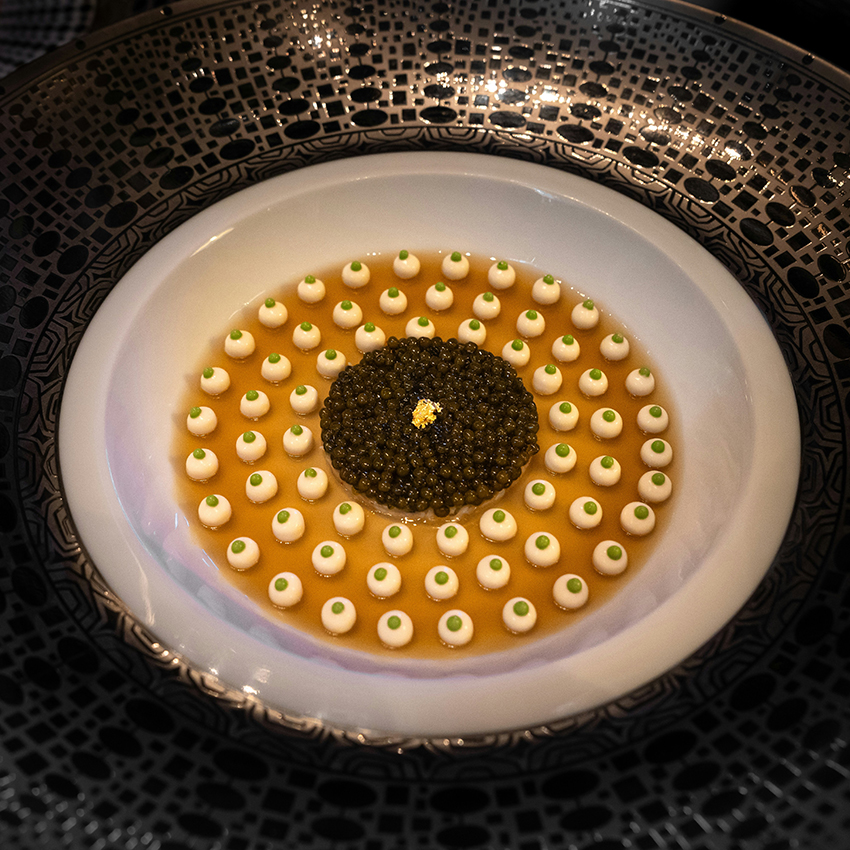
One is the ultimate symbol of luxury, the other a vibrant favourite loved around the world. Here’s a guide to help you decide which caviar best suits your palate and occasion.
Few gourmet delicacies carry the prestige and allure of caviar, long associated with luxury dining, fine celebrations, and culinary sophistication. Yet not all caviar is the same. Walk into any gourmet market, and you will find two primary categories: red caviar and black caviar, each with its own distinct flavour profile, texture, origin, and dining experience. Understanding these distinctions is the key to appreciating what is on your plate.
The Textured Delicacy of Black Caviar
Strictly speaking, according to traditional culinary definitions, true caviar only comes from sturgeon—an ancient, slow-growing fish family primarily found in the Caspian and Black Seas and increasingly on sustainable aquaculture farms around the world. The unfertilised eggs, or roe, harvested from these specific prehistoric fish make up what we call black caviar. The most prized varieties come from famous species such as Beluga, Osetra, and Sevruga.

(Image Credits: Pexels)
Although called black, the eggs range in colour from jet black and dark grey to olive green and golden brown, depending on the sturgeon species. Their texture is typically delicate and buttery, with the pearls gently bursting in the mouth to release a complex flavour profile. Notes of brine, cream, nuts, and even subtle hints of seaweed are often present, creating a refined and lingering finish.
Thus, it is generally served chilled and enjoyed with minimal accompaniments to allow its nuanced flavours to shine. Classic pairings include blinis, crème fraîche, champagne, and premium vodka.
The Bold Drama of Red Caviar
Red caviar, by contrast, comes from various species of salmon, including chum, sockeye, coho, pink, and king salmon. Widely consumed across countries such as Russia, Japan, and parts of Northern Europe, red caviar is celebrated for its vibrant appearance and approachable flavour.

(Image Credits: Unsplash)
Its eggs are noticeably larger than many black caviar varieties and range in colour from bright orange to deep red. The pearls possess a firmer texture and deliver a satisfying pop when eaten, releasing a flavour that is richer, more pronounced, and often slightly sweeter than that of black caviar. Red caviar is remarkably versatile in the kitchen. It is commonly served on toast, crackers, sushi, canapés, pancakes, and seafood dishes, adding both visual appeal and a burst of oceanic flavour. Its bold taste allows it to stand out in recipes.
Which Caviar to Choose: Black or Red?
Choosing between the two comes down to your budget, the occasion, how you plan to present the dish and understanding the difference in the way the two varieties are treated.
Black caviar’s rarity is a key factor behind its exclusivity. Sturgeon can take many years—sometimes decades—to mature and produce roe, making the harvesting process both time-consuming and resource-intensive. As a result, black caviar is often reserved for fine dining experiences.
Salmon, on the other hand, mature more quickly and are more abundant than sturgeon, and therefore, red caviar is generally more affordable and accessible. This has made it a popular choice for both everyday indulgence and festive gatherings.
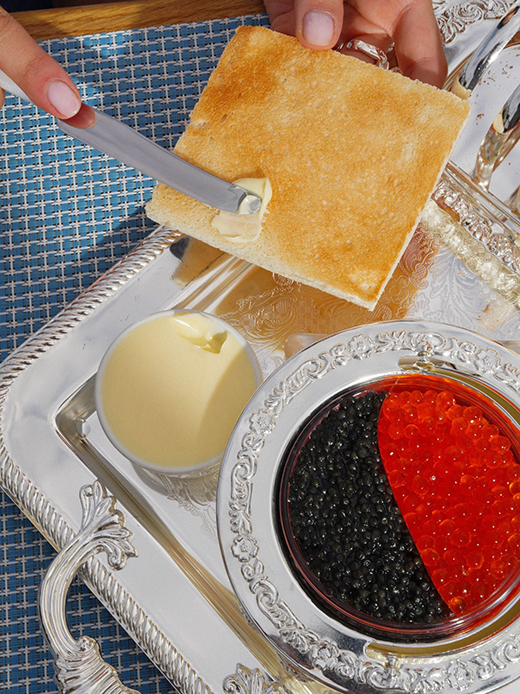
If your goal is to experience a complex gastronomic tradition where you savour the raw nuance of the food, black caviar is the ideal choice. It is best enjoyed in isolation or on simple blinis, and you should keep any garnishes sparse so the delicate fish flavours do not get masked. However, if you want to add a vibrant splash of colour, a textural crunch, and a clean, salty punch to a dish, red caviar is almost always the better choice. Its robust nature makes it perfect for topping devilled eggs, garnishing sushi, spreading over cream cheese toasts, or layering onto bowls of rice.
Although both black and red caviar originate from fish roe, they represent two very different gastronomic traditions, with neither option being objectively better than the other. Knowing the difference allows you to choose confidently and curate the perfect culinary experience.
Cover Credits: Unsplash