Pranjal Shah
04-May-2026
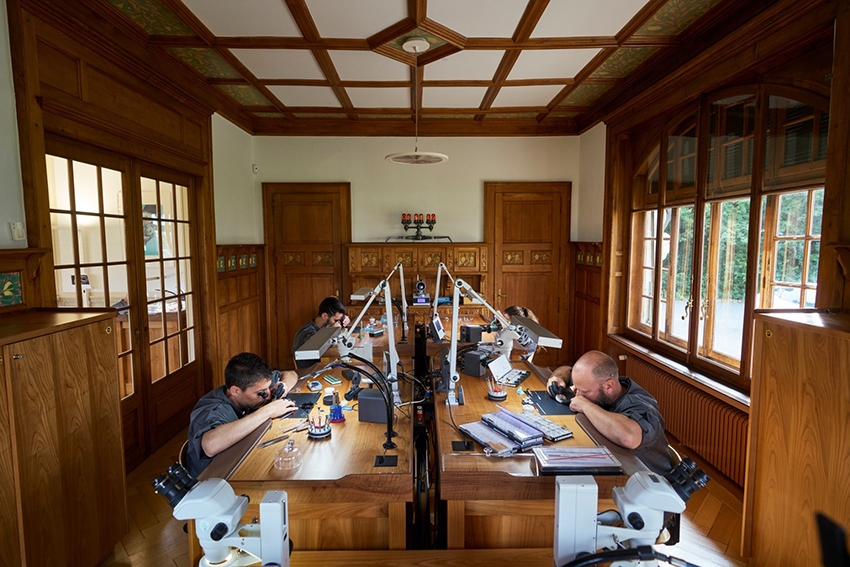
Follow the craft of timekeeping from Swiss valleys and German workshops to Japan’s quietly exacting studios.
Time has long shaped the way we travel — not only in the journeys we take but also in the craftsmanship we seek along the way. It is therefore only fitting that we explore the art of keeping time itself, tracing the traditions and techniques that have defined horology across cultures. Across Switzerland, Germany and Japan, watchmaking offers a compelling lens to experience heritage, precision and artistry. Follow these horological routes to uncover the landscapes, people and traditions that give each timepiece its enduring character.
1. Switzerland
Considered the home of watchmaking in Europe, with many upscale brands on its roster, Switzerland offers a myriad of ways to explore timekeeping. The Route de l’Horlogerie, connecting Geneva and Basel through the Swiss Jura Mountains, showcases the country’s rich watchmaking heritage. The chief highlight along the route is the Vallée de Joux, often considered the cradle of haute horlogerie.
Immersive experiences in the valley include the Musée Atelier Audemars Piguet, the Centre d’Initiation à l’Horlogerie – Olivier Piguet, and the Espace Horloger, which offer hands-on introductions and historical context as well as tours and masterclasses by Jaeger-LeCoultre, where you assemble custom timepieces under expert guidance. Nearby, the Hôtel des Horlogers, by Audemars Piguet, enhances the experience with watch-focused stays.
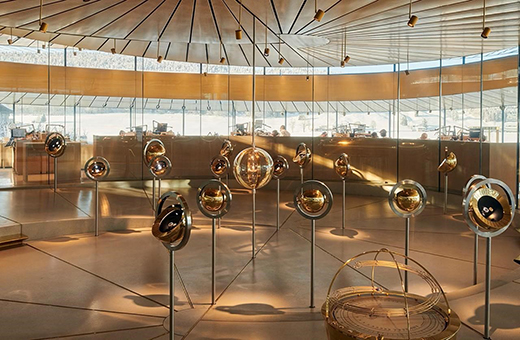
(Image Credits: Musée Atelier Audemars Piguet)
Further along the route, the twin towns of Le Locle and La Chaux-de-Fonds reveal their watchmaking heritage through the Musée d’Horlogerie du Locle – Château des Monts, which offers a refined historical perspective, and the Musée International d’Horlogerie, which houses one of the world’s most comprehensive collections dedicated to timekeeping. In Geneva, expert-led workshops at the Fondation de la Haute Horlogerie, private visits to MB&F’s M.A.D.House, the world's first horology concept lab, and the celebrated Patek Philippe Museum extend the experience.
2. Germany
Across the High Rhine, Germany also garners an equally historic presence in watchmaking, with a more artisanal twist. In the Black Forest, the birthplace of the cuckoo clock, family-run workshops continue traditions dating back to the 19th century, where hand-carved wooden cases, cast-iron pinecone weights and bellows-driven cuckoo calls define the craft. In Schonach, the tradition reaches a monumental scale with the world’s largest cuckoo clock, a 15-foot structure with 13-foot pipes that chimes twice an hour.
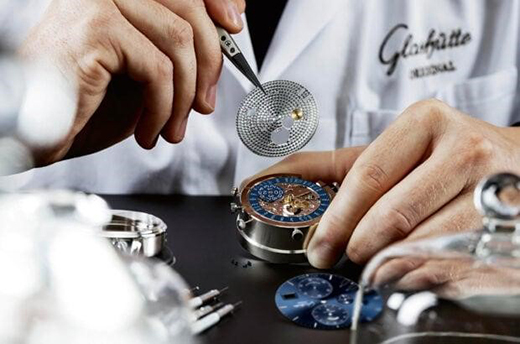
(Image Credits: Glashütte Original)
Further east, the small town of Glashütte forms the fulcrum of German watchmaking, home to marques such as A. Lange & Söhne, Nomos Glashütte and Glashütte Original. The German Watch Museum Glashütte here traces this legacy through Ferdinand Lange’s early pocket watches, Communist-era timepieces and contemporary innovations. Nearby, Dresden offers a compelling base, where the Royal Cabinet of Mathematical and Physical Instruments in Zwinger Palace displays historic Lange watches, and the Semper Opera House houses the famed Five-Minute Clock, a masterpiece of Saxon engineering. In Cologne, contemporary collecting comes into focus along Schildergasse, where jeweller Wempe showcases German horology alongside international brands.
3. Japan
Japan was one of the early players in the western-style watchmaking scene, though it gained recognition much later. Nevertheless, with several flagship timekeepers under its belt, Japan provides an Asian lens into horology. In Tokyo’s Ginza, the iconic Seiko House Ginza, marked by its historic clock tower, introduces you to the full spectrum of Seiko’s collections, while the nearby Seiko Museum Ginza charts the evolution of Japanese timekeeping through historic clocks and technical innovations, along with a dedicated Grand Seiko section. At the Wako Ginza boutique, a dedicated floor to the Seiko collection and curated selections spanning IWC Schaffhausen, Jaeger-LeCoultre and vintage Grand Seiko pieces offer a range of options for indulgence.
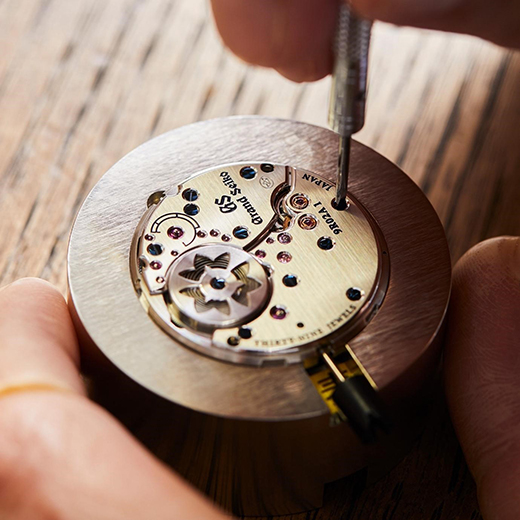
(Image Credits: Grand Seiko)
North of Tokyo, in Morioka, the Grand Seiko Studio Shizukuishi provides rare access to the brand’s mechanical watchmaking. Set within forested surroundings, guided tours and occasional assembly seminars reveal the meticulous craftsmanship behind Grand Seiko’s 9S movements.
Further south in Nagano Prefecture, watchmaking takes on a broader cultural dimension. The Matsumoto Timepiece Museum houses an extensive global collection across three floors. Nearby, the Shinshu Watch Studio offers hands-on experiences, while the Seiko Epson Micro Artist Studio showcases high-end craftsmanship. The Gishodo Clock & Watch Museum, in the Suwa region, further enriches the journey with intimate exhibitions and watch assembly workshops.
In the end, pursuing watchmaking is about experiencing how time is shaped: from Switzerland’s legacy of mechanical excellence to Germany’s artisan heritage and Japan’s quietly exacting craftsmanship. Each offers a distinct perspective, yet all share a commitment to precision shaped over generations. Beyond boutiques and museums, conversations with watchmakers, hands-on workshops and landscapes that have long influenced the craft offer indulgent insights into the craft.
Cover Credits: MB&F M.A.D.HOUSE