Pranjal Shah
20-Apr-2026
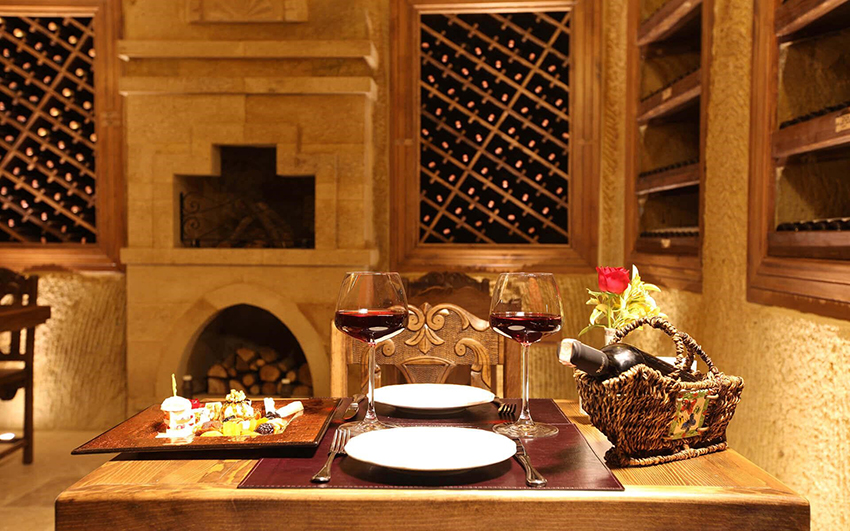
From cave dwellings in Matera to a mediaeval fortress in Spain, these hotels prove that true luxury lies in stories as much as in comfort.
Across the world, a handful of luxury stays invite guests to live inside history itself, where ancient walls, caves, and castles have been restored with opulent sophistication. Each of these places preserves the spirit of its past without sacrificing comfort, letting you check in to heritage preserved in contemporary splendour. The past is not something to look at from a distance but to inhabit: the hush of stone corridors, the flicker of candlelight on centuries-old walls, and the quiet sense of continuity that links travellers of today to the passengers of antiquity who once walked the same halls. These retreats remind us that time, too, can be a form of luxury — one best savoured slowly, surrounded by the enduring beauty of what came before.
1. Sextantio Le Grotte della Civita, Italy
(Image Credits: Instagram @sextantio)
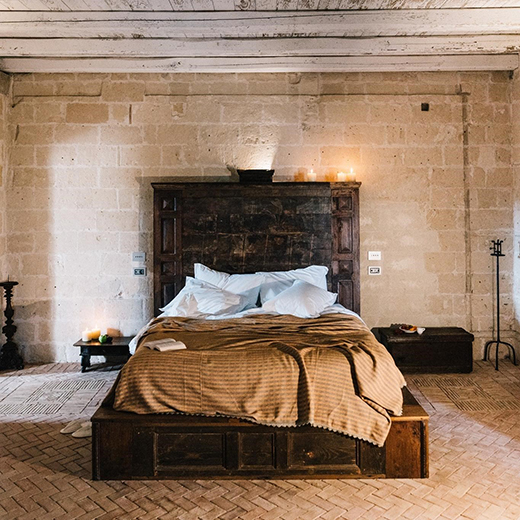
Embodying luxury at a UNESCO World Heritage site, the Sextantio is situated in the oldest quarter of Matera, the Civita of the Sassi. With 18 grottes turned into rooms by remodelling original, millennia-old rock-cut dwellings and caves carved from soft calcareous stone, it provides a luxurious, immersive journey into human history. The hotel’s common areas, including the former rock-hewn church used for events and dining, invite guests to connect with the spirit of this prehistoric site. The restoration philosophy prioritises authentic materials, construction techniques, and even the preservation of traces of former residents’ lives. It wears heritage not as an ornament but as an essence, with rooms in caves, views across deep ravines, churches carved into terraces, and voices from antiquity echoing through stone.
2. Desert Cave Hotel, Australia
(Image Credits: Instagram @desertcavehotel)
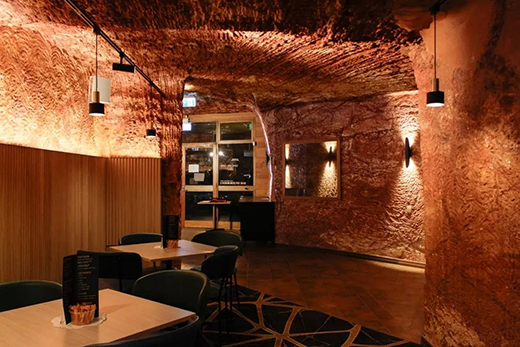
The Desert Cave Hotel is situated in Australia’s Outback gem and opal capital, Coober Pedy, as a testament to the human spirit and its remarkable adaptability. Built into the natural sandstone formations that characterise this remote outback town, the property offers both underground and above-ground accommodations. These celebrate the ingenuity of opal miners who pioneered the ‘dugout’ living style, creating naturally climate-controlled spaces that remain cool and comfortable year-round, directly in the desert sandstone. The hotel also preserves the mining heritage with opal shops, a museum, and interpretive displays, as well as underground bars and cafes, all of which utilise and reveal the landscape of sandstone, hills, digging, and excavation.
3. Sala Silver Mine Hotel, Sweden
(Image Credits: Instagram @salasilvergruva)
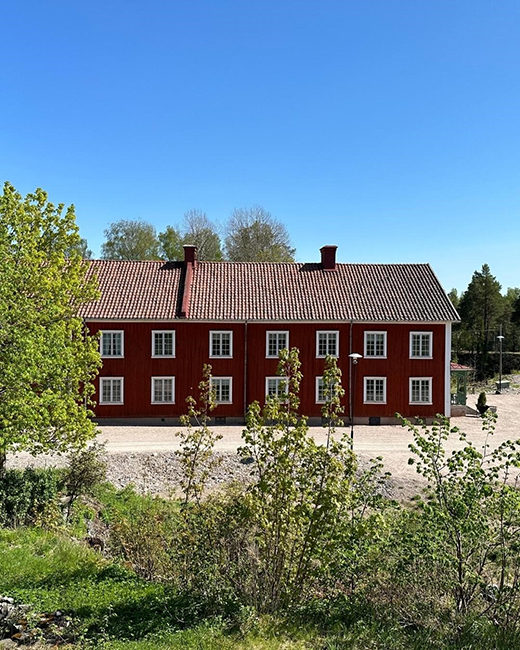
Descending 155 meters below ground into the depths of Sweden's historic Sala Silver Mine, guests experience accommodation in what may be the world’s deepest hotel suite. The underground suite occupies vast caverns and labyrinthine tunnels carved by generations of miners who extracted precious silver. Guests can participate in various underground experiences, from intimate dining events in the depths to exclusive private tours that explore the mine's extensive network of tunnels and chambers. The mine’s restaurant and cafe, housed in historic buildings, provide contemporary dining experiences that honour the site’s rich culinary traditions, from simple miners’ provisions to elaborate feasts held by mine administrators.
4. Kayakapi Premium Caves, Turkey
(Image Credits: kayakapi.com)
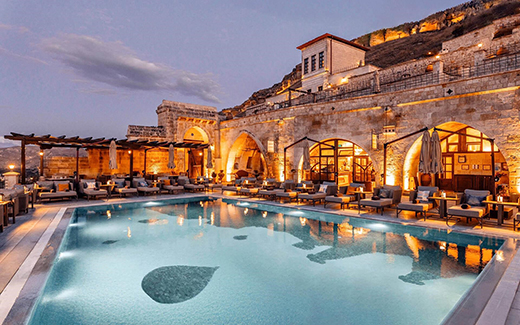
Adorning the historic slopes of Cappadocia's Kayakapi neighbourhood in Ürgüp, this UNESCO-supported boutique hotel occupies one of the region’s earliest settlement zones, known as the “Landowners’ Neighbourhood”. The property consists of hundreds of meticulously restored cave houses and historical structures that span centuries of civilisation, from Roman and Byzantine periods. Among its most significant features are a 10th-century Cave Church, a historical mosque dating back to the Seljuk Empire, and the House of St John the Russian. The property features Revithia, Cappadocia’s first and only tasting menu restaurant, the serves local Cappadocian cuisine paired with regional Terra Noir wines. The spa is located within the Historic Davut Agha Mansion, where modern amenities seamlessly blend with the historical authenticity.
5. Parador de Alarcón, Spain
(Image Credits: paradores.es)
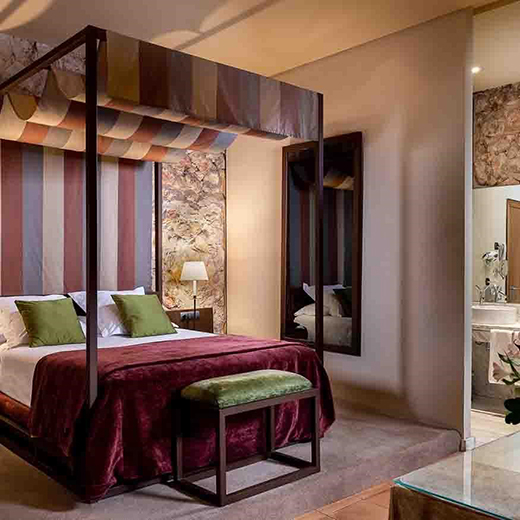
Commanding a dramatic promontory above the Júcar River, Parador de Alarcón occupies a magnificent 8th-century castle with over 1,300 years of tumultuous history. Originally a pre-Roman fortification, the site was transformed into a Moorish citadel before becoming a Christian stronghold in 1184, embodying the epic struggles between Moors and Christians that defined medieval Spain. The Gothic castle, distinguished by its Renaissance keep, is built around a small interior patio with an ancient water cistern and is considered the best-preserved fortress in Cuenca province. All interior spaces have been meticulously rebuilt to blend modern comfort with classical mediaeval aesthetics, where stone ceilings, original walls, and period textiles create an authentic aristocratic atmosphere. The surrounding mediaeval town of Alarcón offers additional exploration opportunities with its intact walls, ancient gates, palaces, and churches.
6. Zollhaus – One Suite Hotel, Switzerland
(Image Credits: zollhausbern.ch)
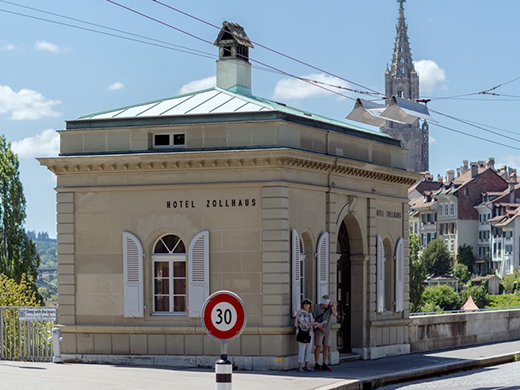
Occupying a meticulously restored 19th-century customs house on Bern’s historic Nydeggbrücke bridge, Zollhaus represents a singular boutique experience that bridges Switzerland’s mercantile past with contemporary luxury. This exclusive single-suite accommodation was once the official gateway where Swiss merchants, travellers, and goods crossed Lake Zurich, serving as an authoritative focal point in the region’s commercial network. The property’s restoration preserved its original architectural elements, including the historic timber beams, stone floors, and period details that narrate its role in Switzerland’s trading heritage. The suite’s position on the historical bridge offers immediate access to Bern’s most significant landmarks, including the Bern Minster, the Parliament Building, and the Zytglogge Clock Tower, all within walking distance.
Cover Credits: kayakapi.com