Yusra Mirza
06-Jul-2026
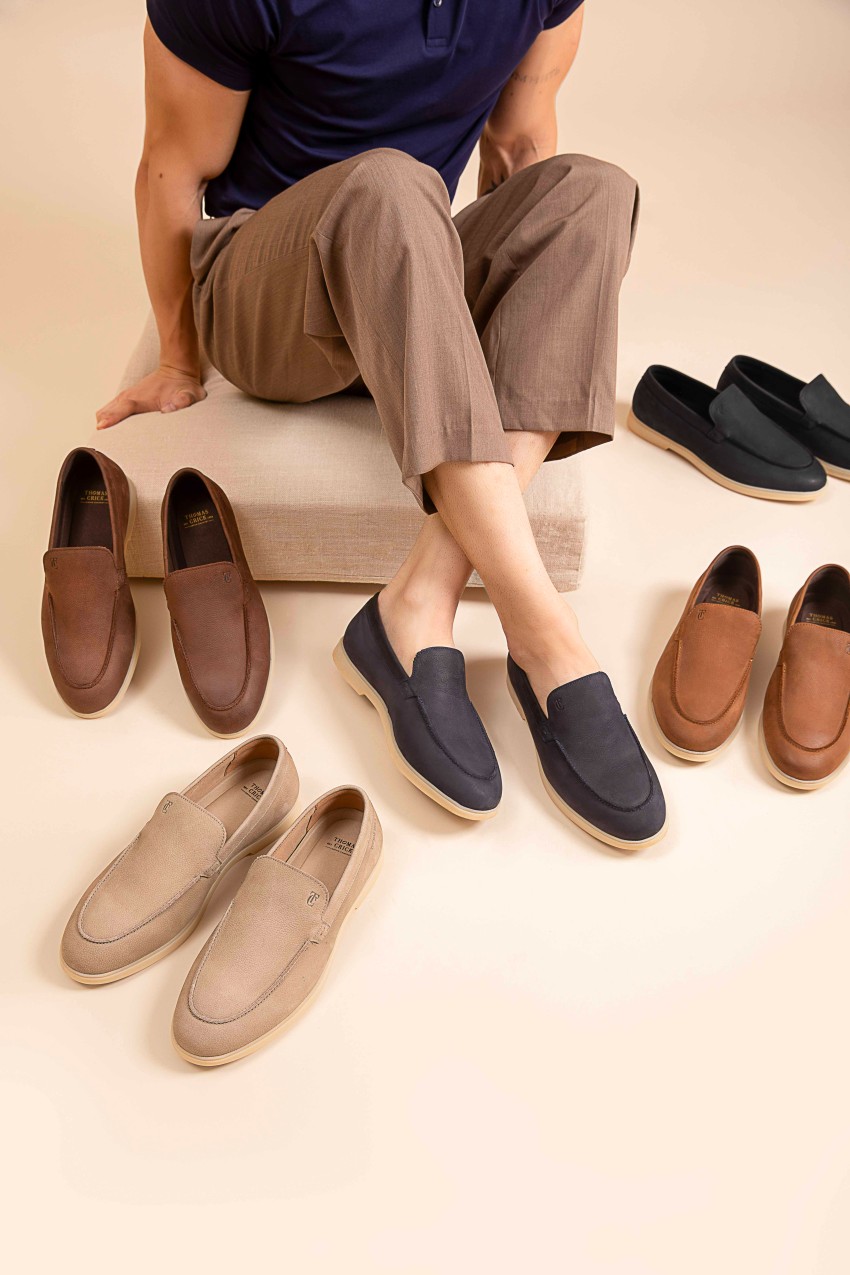
Shoes maketh the man — especially loafers!
By: Yusra Mirza, Vice President Marketing, Thomas Crick, India
The loafer is having a moment. It has been having a moment for about five years running now, and at some point, you would have to stop calling it a moment and admit it has become something more permanent.
Walk through any business district in Mumbai or Delhi on a weekday morning and count the oxfords versus the loafers on the feet of well-dressed men. The tally might surprise you. The shoe, once considered the easy choice, the fallback of the country club set, the weekend indulgence of the suit-and-tie crowd, has, without much fanfare, taken over.
Worth asking: Why now?
Part of the answer is in how men dress today. The old categories: formal, smart casual, and casual have become more suggestion than rule. A man dressing for a client meeting in 2025 is not reaching for the same rigid toolkit his father did. He wants something that works at nine in the morning in a presentation room and still looks right at eight in the evening over drinks. The Oxford, with its stiff lacing, tells one very specific story. The loafer, with its clean profile and slip-on ease, tells a more open-ended story. It doesn't commit too hard in either direction. That ambiguity, once considered a weakness, is now the whole point.
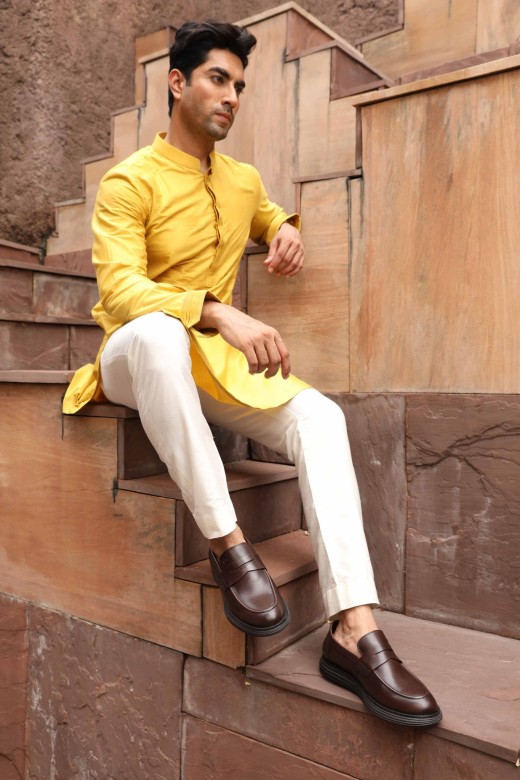
Then there is the craftsmanship piece, and this is where the current revival separates itself from trend cycles that came before. Men buying shoes today actually care how they are made. Not all of them, granted, but enough that quality has become a genuine differentiator rather than a premium afterthought. Full-grain leather. Hand-finished edges. A proper leather lining rather than a synthetic one. Welt construction that can be resolved five years down the line. These used to be things you sought out from a bespoke maker or a very expensive heritage name. Increasingly, they are the baseline expectation. The man investing seriously in a pair of loafers today is asking the same questions of his shoe that his grandfather asked of his cobbler. And he is not wrong to. The other thing the loafer does remarkably well is stay out of the way. Sounds like faint praise. It isn't. A shoe that competes with the outfit above it is a shoe that loses. The loafer's gently rounded toe silhouette, low profile, and lack of laces or tongue pulling the eye lets the clothes breathe. A pair in dark chocolate leather under a slim suit reads formal enough for a boardroom. Those same shoes with turned-up selvedge denim and a white shirt read sharp without appearing studied. Switch the leather for suede, and the register drops another notch into easy, considered weekend dressing. One shoe, three entirely different conversations.
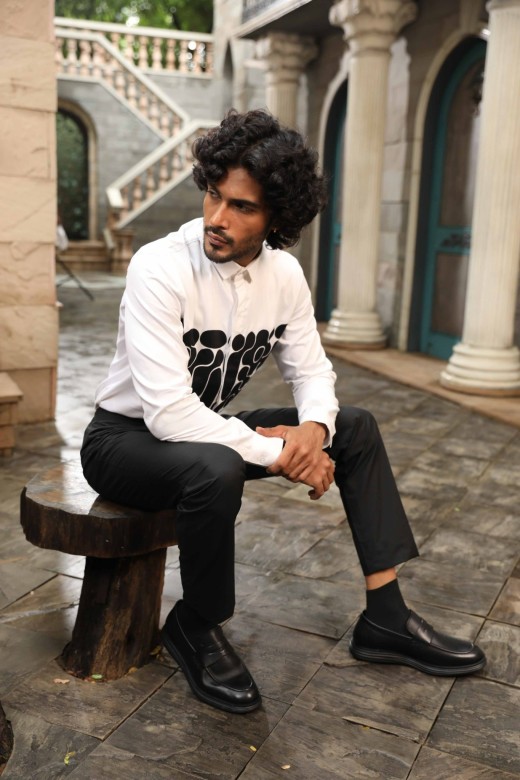
Colour has opened things up further. Tan and warm brown remain the loafer's natural home, but the palette has expanded considerably. Burgundy became the shoe of the decade somewhere around 2018 and never really left. Forest green has built a quiet following, worn the way you'd wear a considered watch, deliberately rather than loudly. Black loafers, once burdened with nineties associations, have rehabilitated themselves into something clean and almost architectural.
None of this happened by accident. It happened because the men wearing loafers today chose them; they didn't default to them. That distinction matters more than it might appear. The loafer has earned its dominance not through novelty or a single runway moment but through genuine usefulness and a growing cultural understanding that dressing well doesn't require visible effort. Sometimes the most sophisticated thing a shoe can do is step back and let the man wearing it carry the room.