Siddharth Jogani
26-Oct-2026
By Siddharth Jogani, Founder & CEO, Restaverse
A few years ago, most diners in Mumbai, Bengaluru or Delhi judged a meal by its taste and how full it left them. Today, the same guests are just as likely to ask about protein, read the ingredients closely and order a cuisine they have never tried before. Beverage menus that would once have been an afterthought are now part of the reason people choose one restaurant over another. Value for money still matters, but it is no longer measured by the size of the portion alone.
These shifts at the table ripple through every part of the business, from menu development and ingredient sourcing to pricing, service and guest engagement. For operators, the difficulty lies in telling lasting change apart from passing interest and evolving without diluting the identity that guests have come to trust.
When Lighter Becomes the New Generous
The move towards healthier eating is no longer limited to a salad section tucked away at the end of the menu. Guests now notice whether a dish is grilled or fried, how fresh the ingredients are and whether a meal offers enough protein to justify the order.
As per a study published by International Flavors & Fragrances (IFF), 74% of surveyed consumers using GLP-1 medications, commonly prescribed for diabetes and weight management, across Delhi, Mumbai and Bengaluru, were reading food labels more carefully than before. The finding covers a specific group, yet it reflects how health priorities are beginning to guide what lands on the plate.
For restaurants, the finding creates a delicate balancing act. Generosity has long been central to Indian hospitality, and a heaped plate was once the surest signal of value. Many guests now prefer a meal that leaves them satisfied rather than sluggish, so the economics of a dish have to be reconsidered from the ground up. Lighter recipes may call for better ingredients and fresh thinking on pricing. Curiosity might persuade a guest to try a wholesome new dish once, but only a genuinely enjoyable experience will bring that guest back to order it again.
A Palate That Keeps Travelling
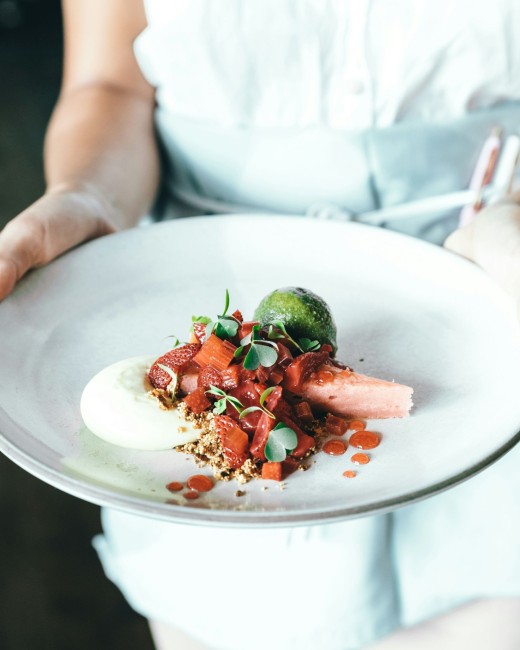
Indian diners have never lacked curiosity, and that appetite has grown with every holiday abroad and every late-night food video. Dishes from distant regions and unfamiliar kitchens now frequently grace the table.
The How India Eats report by Bain & Company and Swiggy found that an average customer orders from more than three cuisines and over six restaurants on an online platform annually. Digitally active consumers, it seems, are far more willing to explore than to settle.
The same spirit of discovery extends to the bar. Cocktails built around regional ingredients and seasonal produce have become a genuine reason to choose one restaurant over another, while lower-alcohol options are earning their own place in beverage programs. Every new addition, however, carries a hidden workload, because each dish or drink must taste the same on a quiet Tuesday as on a packed Saturday. Restaurants therefore have to judge carefully which experiments deserve a lasting spot and which are simply enjoying a brief moment in the spotlight.
The Meal That Starts on a Screen
Long before a guest is seated, the restaurant has usually been explored online. Reviews, photographs and digital menus shape expectations and sometimes decide the evening altogether. A beautifully plated dish can reach thousands of screens within hours, and a striking space can become a reason to visit.
This visibility works in both directions. Slow service or a disappointing dish can be shared just as quickly as a memorable evening, and the sheer volume of feedback across platforms makes it difficult to separate noise from genuine insight. Several reviews mentioning smaller portions, for example, may signal a wider change in what guests expect rather than a problem at a single table. Reading such signals means connecting comments with what guests actually order and how often they return.
From Scattered Data to Sharper Decisions
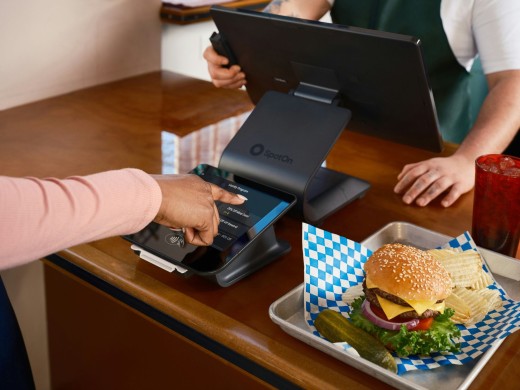
Every service leaves behind a trail of useful information, from bills and delivery orders to table bookings, reviews and loyalty points. In most restaurants, however, these details sit in separate systems that rarely speak to one another.
The cost of that disconnect is clearest in a multi-outlet restaurant group. A signature dish might be a bestseller in one neighbourhood and barely move in another. A particular cocktail could keep weekend guests coming back, while a newly launched lunch menu attracts an audience the team never planned for. Without a combined view, such patterns surface too late to matter.
Artificial intelligence (AI) and integrated restaurant operating systems are beginning to close this gap. By linking point of sale (POS) data with delivery performance, reservations, guest feedback and loyalty records, these platforms bring the full picture into a single view. A chef can see which dishes are earning repeat orders, a manager can catch a recurring service complaint before it spreads, and an owner can compare how guests behave across locations.
Technology, however, can only point in a direction. Data may reveal that a dish is losing popularity, but deciding whether to change the recipe, adjust the portion or rethink the price still depends on culinary instinct and commercial experience.
Evolving Without Losing the Plot
Changing tastes are nothing new in hospitality. What has changed is the speed at which a new preference travels from a social media feed to a dining table. Restaurants must keep pace while still offering the consistency that regular guests rely on.
The hardest part is distinguishing a lasting shift from a passing craze. A dish that goes viral online may struggle to win repeat orders, whereas a modest tweak to a long-standing favourite could quietly improve both guest satisfaction and margins.
As India’s restaurant industry expands, the brands that thrive will likely be those that listen most closely. Guests share their preferences every day through what they order, what they leave on the plate and what they write afterwards. Restaurants that pair culinary creativity and warm hospitality with the ability to read those signals will stay relevant long after today’s trends have made way for the next.
All image credits: Unsplash